


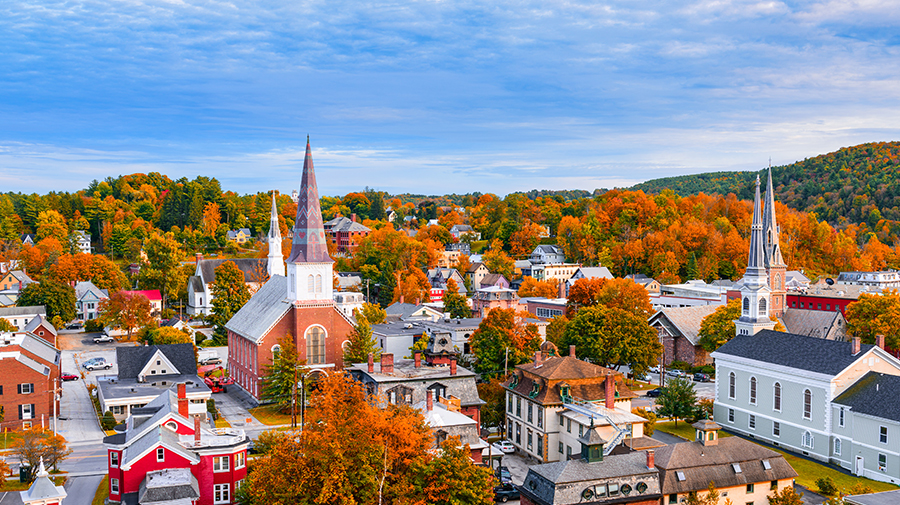
Vermont leads the nation in the inaugural state-by-state assessment of health care climate risks and preparedness, according to a new report by the Commonwealth Fund. The State Scorecard on Climate, Health, and Health Care analyzed publicly available data from all 50 states and Washington, D.C., focusing on how climate change affects public health and the health care system.
The study evaluated risks such as extreme heat, flooding, and poor air quality, as well as proactive state measures like clean energy policies that protect public health.
“As a physician, I have seen firsthand how closely the environment and health are linked,” said Commonwealth Fund President Joseph Betancourt. “People are better off when they can breathe clean air and when the hospitals they depend on are prepared for extreme weather.”
States with higher rankings generally had robust clean energy policies and faced fewer environmental threats.
Top and Bottom Performing States
Top 10 States:
- Vermont
- New York
- Washington
- New Jersey
- Maine
- Idaho
- Maryland
- Massachusetts
- Pennsylvania
- Hawaii
Bottom 10 States:

- West Virginia
- Kentucky
- Louisiana
- Florida
- Mississippi
- Missouri
- Arizona
- Arkansas
- Oregon
- New Mexico

