


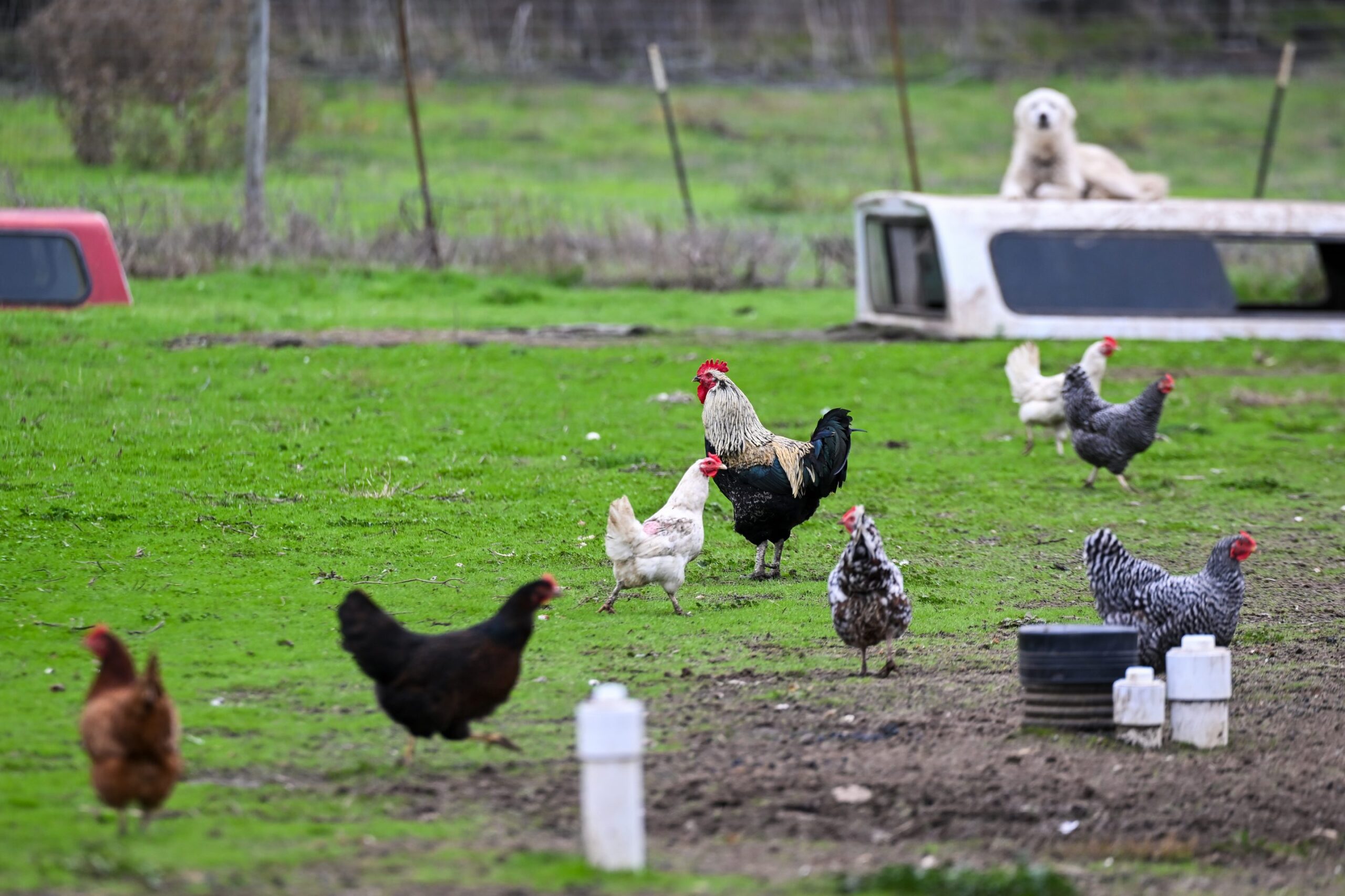
In January, egg prices in the US surged by over 15% from the previous month, marking the largest increase since 2015. Compared to the same period last year, prices have skyrocketed by 55%, a significant spike attributed to a widespread bird flu outbreak affecting poultry farms nationwide, resulting in the culling of over 21 million egg-laying hens in 2024.
This steep rise has contributed to the highest inflation rate since August 2023, prompting many Americans to seek alternatives. In response, a growing number of people are turning to home chicken farming to ensure a steady supply of eggs.
Increased Demand for Home Chicken Farming
Reports indicate a surge in poultry sales, particularly in places like Houston, where local suppliers are struggling to meet demand. John Berry, from a livestock company, noted a doubling or even tripling in sales, with weekly chicken sales reaching over 100—a stark increase from pre-shortage times.

Impact on Businesses and Consumers
Major grocery chains like Trader Joe’s and Costco have imposed limits on egg purchases, while Waffle House has added a 50-cent surcharge per egg in its dishes. Premium eggs now fetch prices as high as $10 per dozen, and even lower-grade eggs have seen their prices double from the usual $2-$3 range.

Rising Popularity of Home Chicken Farming
To combat the scarcity and high costs, many Americans are investing in home chicken coops. Arturo Becerra, who recently spent $400 on 10 hens, highlighted the cost-effectiveness of raising chickens at home amidst soaring egg prices.
John Berry observed a trend of newcomers entering the chicken farming scene, drawn by the prospect of reliable egg production without reliance on volatile supermarket prices.
Challenges and Future Outlook
Despite the growing interest in home chicken farming, experts caution that replenishing the lost egg-laying hens will be a slow process. Berry emphasized the need for foresight in poultry production to mitigate future shortages.
The replenishment of egg-laying hens is expected to take months, prolonging the strain on supply. As a result, many consumers may continue to rely on home chicken farming to secure a steady egg supply until market conditions stabilize.
Health Guidelines and Precautions
The CDC has issued guidelines for those raising chickens, advising precautions against avian flu while reassuring the public of the low risk to general health.
As the egg shortage persists and prices remain high, more Americans may opt to follow Becerra’s lead in raising chickens at home as a practical solution to ensure a steady and affordable supply of eggs.

