


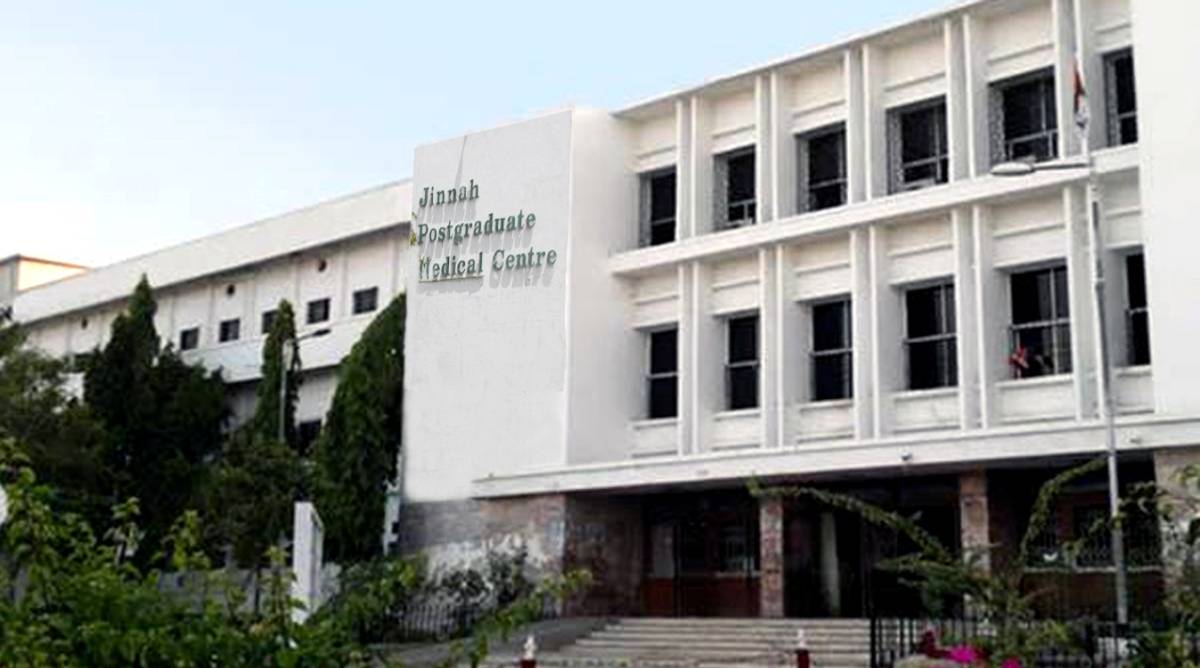
Officials from the U.S. diplomatic mission in Karachi visited the Jinnah Postgraduate Medical Centre (JPMC) to receive updates on the health of an American woman undergoing treatment for both physical and mental health issues.
American Woman Diagnosed with Bipolar Disorder and Health Complications
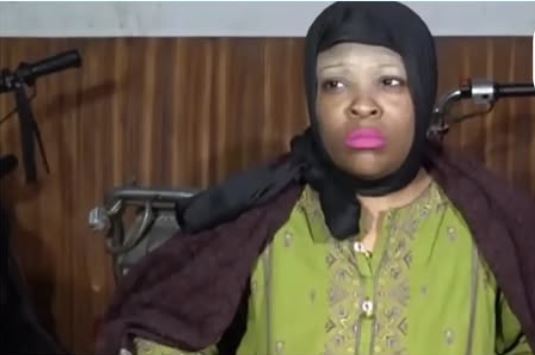
The 35-year-old American, Onija Andrew Robbins, came to Karachi driven by her affection for a Pakistani teenager. She has been diagnosed with bipolar disorder, along with other health concerns. Robbins, a mother of two, had her three-month visit visa expire, and has been granted a 15-day extension. Meanwhile, the Pakistani man she came to see, Nidal Ahmed Memon, and his family have been in hiding since Robbins’ situation garnered media attention.
U.S. Consulate Officials Briefed on Robbins’ Health Progress
Diplomats from the U.S. Consulate General in Karachi visited Robbins in the Special Ward at JPMC, where they were briefed for an hour by the hospital’s Medical Board Chairman, Prof. Chooni Lal, along with Dr. Salman, Dr. Yahya, Dr. Nausheen, Dr. Anam, and Dr. Zeeshan about her condition.
Health Improvements and Ongoing Care for Robbins

Prof. Lal reported that Robbins’ health had shown improvement since her admission to JPMC. Upon her arrival, tests revealed that her hemoglobin level was dangerously low at just 4. After receiving three blood transfusions, her hemoglobin increased to 9. Robbins continues to receive care for both her physical and mental health, with medications prescribed to manage her bipolar disorder.
Visa and Discharge Plans for Robbins
JPMC spokesperson Jahangir Durrani confirmed that the consulate staff had been briefed on Robbins’ treatment, medications, and test results. Other medical complications are also showing signs of improvement. Hospital officials noted that Robbins’ visa is set to expire on February 11, but she is expected to be discharged before then, pending approval from the Medical Board regarding her fitness.

