


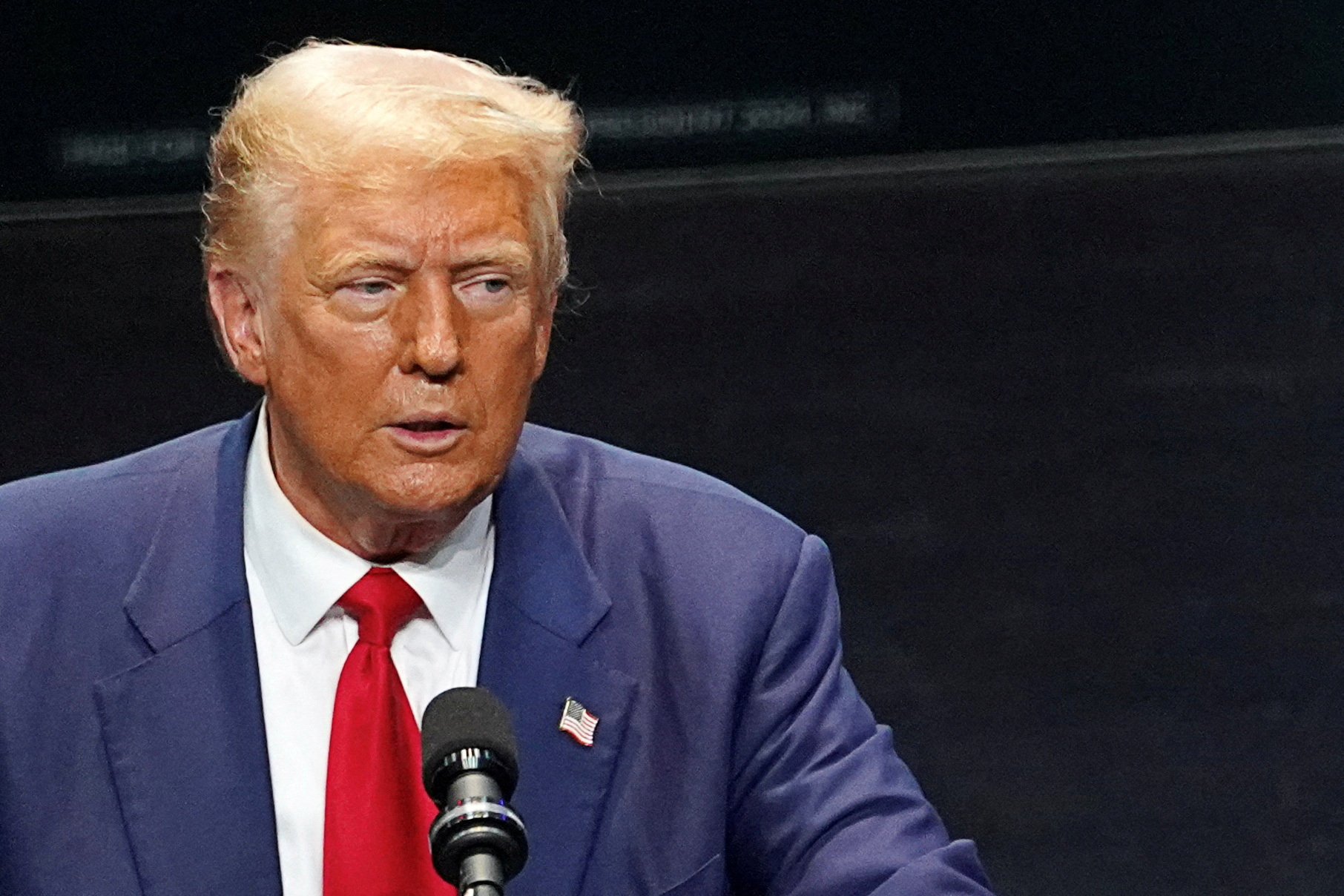
A judge in New York has scheduled the sentencing of Donald Trump in his hush-money case for January 10, less than two weeks before he is to be sworn in as president.
Justice Juan Merchan announced that Trump would receive an “unconditional discharge,” meaning no jail time, probation, or fines. The judge also stated that Trump could attend the hearing either in person or virtually.
Trump’s Legal Battle and Conviction
Trump was convicted in May on 34 felony counts of falsifying business records. These charges stemmed from a $130,000 payment made during the 2016 presidential campaign to adult-film actress Stormy Daniels, intended to silence allegations of a sexual encounter. The funds were reimbursed to Trump’s former lawyer, Michael Cohen, and improperly documented in business records.
Despite the conviction, Trump has consistently denied any wrongdoing, pleading not guilty and dismissing the case as politically motivated.
Trump Reacts to Sentencing Order
Trump criticized the judge’s decision on his Truth Social platform, calling it a “rigged charade” and an “illegitimate political attack.” He argued that the order violates the Constitution and could undermine the presidency.
Steven Cheung, Trump’s spokesperson, echoed this sentiment, labeling the case part of a “witch hunt” and insisting it disrupts the presidential transition process.

Judge Denies Dismissal Efforts
Trump’s legal team had sought to dismiss the case, arguing it would hinder his ability to govern during his presidency. Justice Merchan declined the request, noting alternative measures—such as postponing sentencing until after Trump’s presidency or ensuring a non-prison sentence—could address those concerns.
The judge rejected Trump’s argument that the case violated a Supreme Court ruling granting presidents broad immunity from criminal prosecution for official actions.
Broader Legal Challenges
In addition to the hush-money case, Trump faces charges in three other criminal cases: mishandling classified documents and two cases linked to his alleged efforts to overturn the 2020 election results.
First Convicted Felon in the White House
Trump, now 78, will become the first convicted felon to serve as U.S. president. While falsifying business records carries a potential sentence of up to four years in prison, legal experts believe incarceration is unlikely due to his age and lack of prior criminal record.
Trump is expected to appeal the conviction after the January 10 sentencing.

