


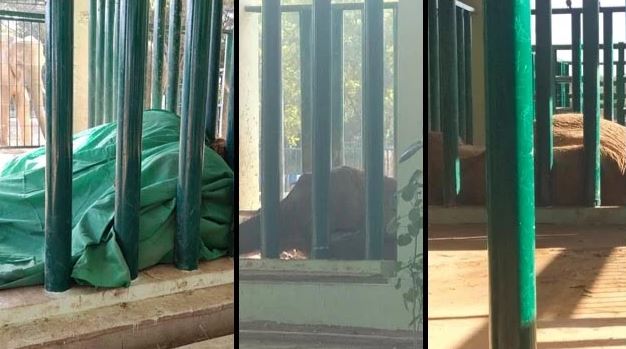
Elephant Sonia’s untimely death at Safari Park, just over a week ago, has left both authorities and animal activists deeply concerned. A post-mortem examination revealed that Sonia suffered from a severe chronic bacterial infection, according to a statement shared by the global animal welfare organization Four Paws (FP) on social media.
Findings from the Post-Mortem Examination
The organization, which has been assisting the Karachi Metropolitan Corporation (KMC) in elephant care for years, stated that microbiological tests confirmed the presence of multiple harmful bacteria.
“The source of the bacteria was an advanced abscess on Sonia’s foot, discovered and treated during our recent visit for Madhubala’s relocation. The infection led to fatal sepsis,” FP shared in its post.
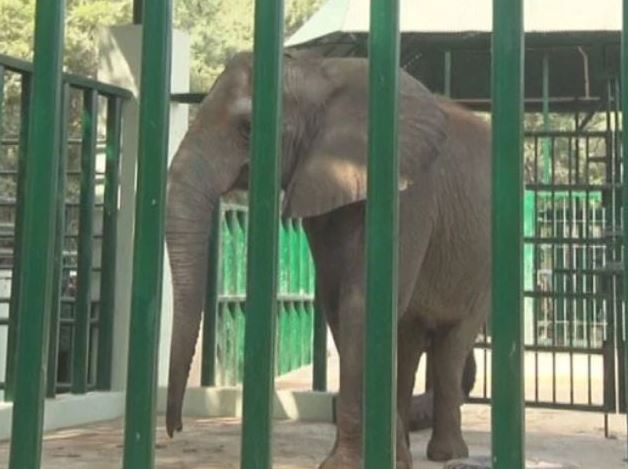
Sepsis is a life-threatening condition caused by the body’s reaction to harmful microorganisms in the blood or tissues. It can result in organ failure, shock, and even death.
Urgent Measures for Remaining Elephants
In light of the findings, FP has provided KMC with a detailed treatment plan for Malika and Madhubala, the two surviving elephants at Safari Park. The plan recommends immediate antibiotic treatment and comprehensive blood tests before and after the treatment.
“Once the prophylactic treatment is completed, our team will return to conduct further examinations,” the organization stated. “Sonia’s and Noor Jehan’s deaths are tragic reminders of the consequences of prolonged inadequate living conditions and poor nutrition. Since 2021, we have consistently called for improved medical care, proper diets, and species-appropriate environments for all four African elephants in Karachi.”

Expert Insights on Sonia’s Death
FP team leader Dr. Amir Khalil emphasized the critical importance of proper elephant management in captivity.
“The bacteria entered Sonia’s body through her foot nails and spread via the bloodstream. It was a chronic illness. This highlights why foot care is so essential for elephants in captivity,” Dr. Khalil explained. He added that constant physical activity is crucial for elephants, which naturally roam vast distances in the wild.
Dr. Khalil also recalled the case of Saheli, the partner of Kaavan, an elephant relocated to a Cambodian sanctuary in 2020. Saheli died from gangrene that had affected her foot.
Steps for Improved Care
To address these challenges, FP has offered continued support to KMC for enhancing elephant care practices. This includes specialized attention to foot health and dietary needs.
The organization has also sent KMC an updated diet plan designed to meet the elephants’ nutritional requirements. The plan includes essential minerals, vitamins, rice balls, electrolytes, as well as a variety of fruits, vegetables, and green fodder. Regular implementation of this diet is critical for ensuring the long-term health of the animals.
A Painful Reminder
Last month, Safari elephants Sonia and Malika were reunited with their zoo companion Madhubala after 15 years apart. Madhubala had been left alone at the zoo following the death of her partner, Noor Jehan, who succumbed to a parasitic infection over a year ago.
The four elephants, originally captured from the wild in Tanzania, were brought to Karachi in 2009. Sonia’s passing marks yet another devastating loss, underlining the urgent need for improved care and living conditions for elephants in captivity.

