


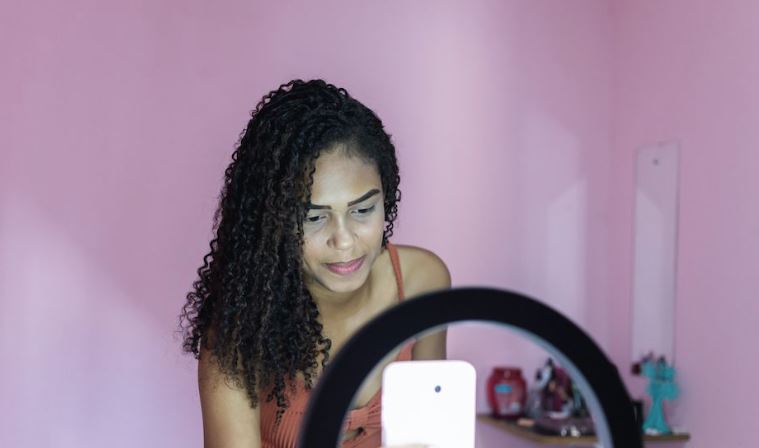
ikTok is set to restrict users under 18 from accessing beauty filters that modify facial features, such as skin smoothing, lip plumping, and eye reshaping. The move, aimed at addressing concerns over teenage mental health and self-esteem, will roll out globally in the coming weeks. Filters designed for humor, like those adding animal ears or exaggerated features, will remain available to teens.
Addressing “Distorted Worldviews”
The changes come after a report by Internet Matters, an online safety non-profit, highlighted how beauty filters promote “distorted worldviews” by normalizing unrealistic appearances. The report found that many teenagers, especially girls, felt pressured to meet these altered beauty standards, with some describing their unfiltered faces as “ugly” after frequent filter use.
TikTok’s Commitment to Online Safety
Dr. Nikki Soo, TikTok’s Safety and Well-being Public Policy Lead for Europe, stated the platform aims to reduce social pressures on young users and encourage healthier online habits. To enforce these changes, TikTok will rely on machine learning systems to identify users misrepresenting their age. Currently, the platform removes about 20 million accounts every quarter for age-related violations.
Challenges with Age Verification
Accurate age verification will be critical to the policy’s success. TikTok’s Chloe Setter, head of child safety public policy, acknowledged the challenges but emphasized a “safety-first approach.” Users mistakenly banned will have the opportunity to appeal.
Regulatory Push in the UK
The policy aligns with the UK’s upcoming Online Safety Act, which mandates “highly effective” age checks for social media platforms. Ofcom, the UK’s communications regulator, previously criticized TikTok’s age verification methods, urging improvements to ensure compliance.
Expert Reactions
Child safety advocates welcomed TikTok’s move but stressed the need for broader action. Richard Collard of the NSPCC called it a “positive step” but noted it was “just the tip of the iceberg.” Andy Burrows, CEO of the Molly Rose Foundation, linked these changes to regulatory pressure, stating, “Platforms are acting only because of incoming EU and UK laws, highlighting the need for even stronger legislation.”

Trend Toward Safer Platforms
Other social media platforms are implementing similar measures. Roblox recently restricted violent and explicit content for younger users, while Instagram introduced “teen accounts” for parental monitoring.

Looking Ahead
TikTok’s tightening restrictions on beauty filters and underage users signal a shift toward prioritizing user safety. As new regulations take effect in 2025, social media platforms are expected to adopt even stricter policies to protect children online.

