


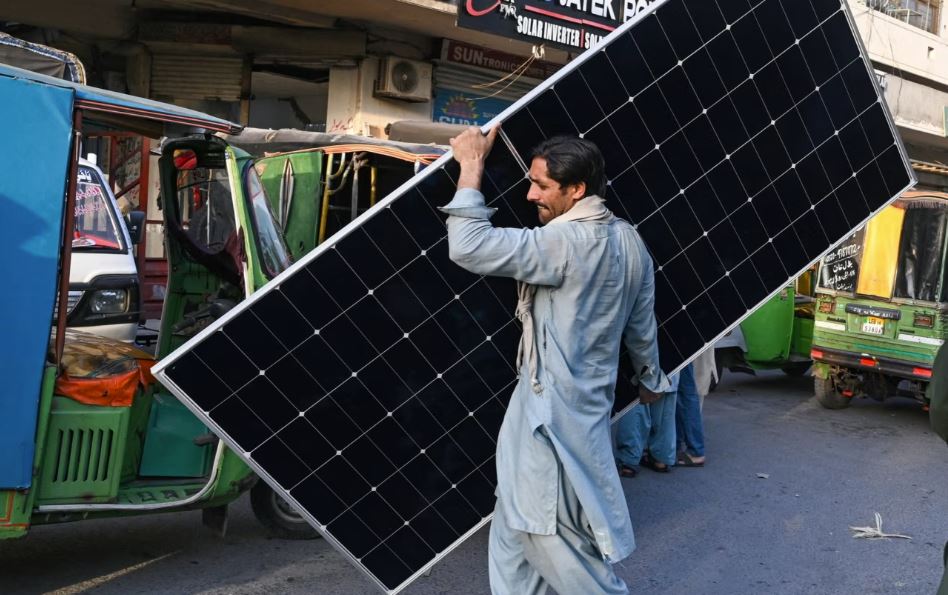
Pakistan has emerged as the sixth-largest solar energy market globally, with its rapid adoption of solar power offering lessons for other emerging markets, according to a World Economic Forum (WEF) report released this week. This shift comes as Islamabad looks to mitigate rising fuel costs and tackle an ongoing energy crisis through renewable resources.
Challenges in Pakistan’s Energy Sector
The country’s energy sector has long been plagued by issues such as circular debt, power theft, and transmission losses, resulting in frequent blackouts and high electricity costs. Despite its ideal conditions for solar energy—over nine hours of sunlight in most regions—only 5.4% of Pakistan’s total installed capacity of 39,772 megawatts comes from renewables like solar, wind, and biomass. Fossil fuels still dominate the energy mix at 63%, followed by hydropower at 25%, according to the National Electric Power Regulatory Authority (NEPRA).
Solar Energy Adoption on the Rise
The WEF report attributes Pakistan’s rapid shift to solar power to declining solar panel prices and soaring electricity tariffs, which have risen by 155% over the past three years. External factors, such as China’s overproduction of solar panels, have also played a significant role, making Pakistan the third-largest importer of Chinese solar modules.
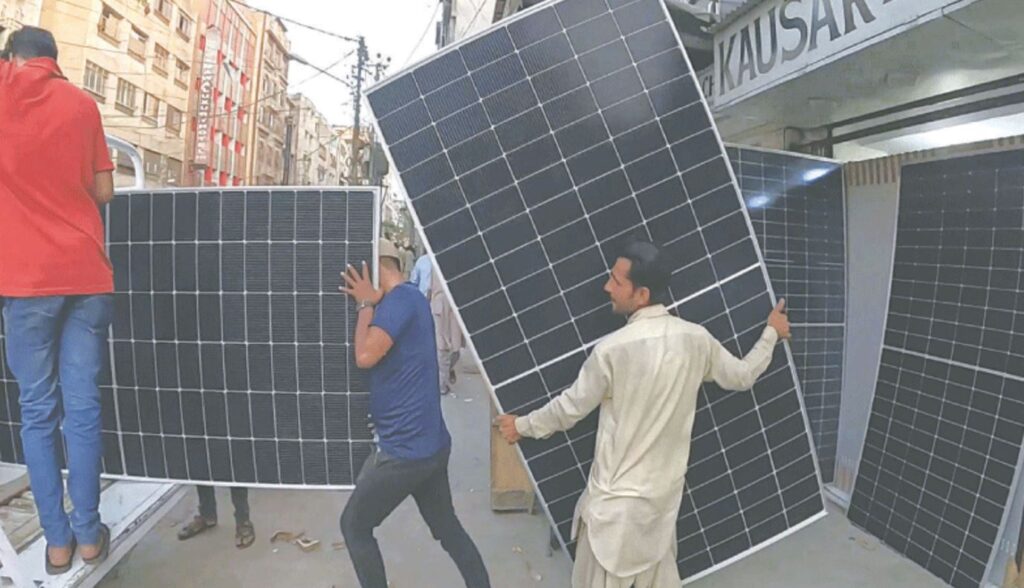
In the first half of this year alone, Pakistan imported 13 gigawatts (GW) of Chinese solar panels, with forecasts predicting imports could reach 22GW by the end of the year. The industrial, agricultural, and residential sectors have widely adopted solar energy as state-owned power providers struggle to deliver a stable electricity supply.
Impacts of Solar Adoption
High electricity tariffs have prompted a 10% drop in grid electricity demand in the past fiscal year. Consumers, especially industrial, commercial, and private users, are increasingly turning to solar for self-generation to avoid inflated costs.
The report also emphasized the need for supportive policies, such as offering credit for solar installations in off-grid areas and restructuring consumer categories, to further boost renewable energy adoption.

A Lesson for Emerging Markets
“Pakistan’s journey underscores the importance of balancing policy innovation with market adaptation to drive sustainable and equitable energy solutions,” the WEF report concluded. As the country continues its solar transition, it provides valuable insights for other nations navigating similar energy challenges.

