


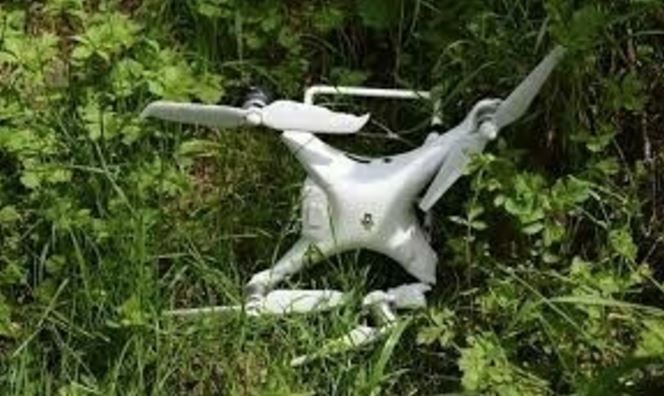
Remote technologies like drones, camera traps, and sound recorders are increasingly used for wildlife monitoring. However, a study by Cambridge researchers reveals that these tools are being misused in northern India to monitor women inappropriately and infringe upon their privacy.
Research Findings from Corbett Tiger Reserve
Dr. Trishant Simlai from Cambridge University spent 14 months interviewing 270 locals around the Corbett Tiger Reserve. His findings, published in Environment and Planning F, highlight how forest rangers misuse drones to intimidate women, deterring them from legally collecting resources like firewood and herbs.
Women interviewed said they feel inhibited by camera traps and quieter in forest spaces, reducing their ability to communicate and avoid dangerous wildlife like tigers and elephants. Tragically, one woman in the study was later killed in a tiger attack.
Social Harms of Surveillance Technologies
Dr. Simlai found that technologies designed to monitor wildlife are being weaponized to harass women. Instances include a photo of a woman captured by a wildlife camera while using the toilet, which was later circulated on local social media platforms, deliberately shaming her.
“These technologies, under the guise of conservation, are being used to intimidate and exert power over vulnerable groups,” said Simlai.
Impact on Mental Health and Social Dynamics
The study revealed that these practices significantly impact the mental health and safety of local women, whose identities and daily lives are deeply intertwined with the forests. The misuse of surveillance technologies restricts their freedom, disrupts their communal activities, and heightens the risks of wildlife encounters.


Conservation Implications
Professor Chris Sandbrook, co-author of the report, called for greater caution in using surveillance technologies in conservation. “These tools, meant for monitoring animals, can easily invade people’s privacy and alter their behavior,” he noted.
The researchers urged conservationists to consider the social implications of remote monitoring and to explore less invasive alternatives, like surveys. Understanding the daily lives and roles of women who rely on forests is crucial for creating effective and inclusive forest management policies.
A Call for Ethical Conservation Practices
The study emphasizes the need for ethical and equitable conservation practices that prioritize both ecological goals and the rights of local communities. As conservation technology advances, the focus must shift to ensuring it does not unintentionally harm the very people who coexist with and depend on these natural spaces.

