


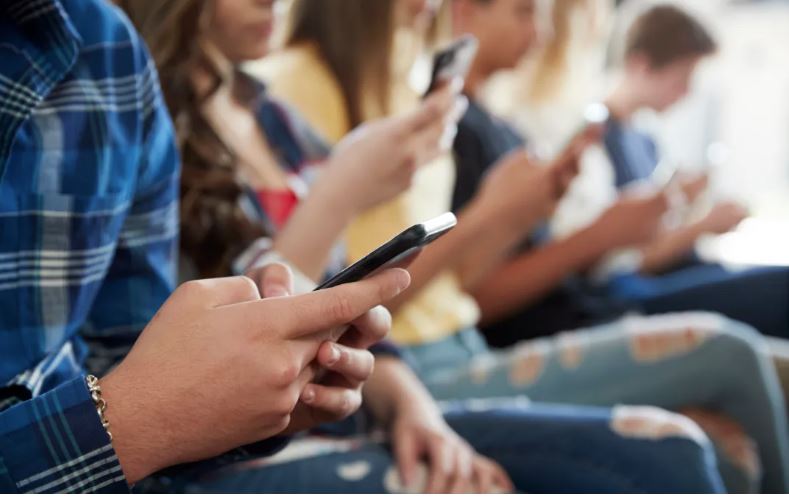
A recent study by the Pew Research Center reveals that young American adults are increasingly turning to social media influencers for news. While about 20% of U.S. adults regularly consume news from online influencers, this figure jumps to nearly 40% among those aged 18 to 29. Among this group, 65% believe that these influencers significantly shape their understanding of current events and civic issues.
Study Overview
The Pew study analyzed 500 popular news influencers, each with over 100,000 followers, and surveyed over 10,600 Americans about their news habits. Conducted over three weeks in July and August, the study coincided with the presidential election, during which influencers like Joe Rogan and Alex Cooper played critical roles in voter outreach for both Vice President Kamala Harris and former President Donald Trump. Notably, Trump sought to engage “manosphere” influencers to connect with male voters.
Political Leanings of Influencers
Interestingly, the study found that the news influencers are predominantly conservative. About 27% of them identified as Republican or pro-Trump, compared to 21% who identified as liberal. On Facebook, conservative influencers outnumbered liberal ones by three to one, and a similar trend was seen on Instagram.

Perceptions of Censorship
Despite beliefs among many Republicans that social media platforms censor conservative viewpoints, the Pew study indicates that a greater number of influencers explicitly express a right-leaning orientation in their bios and posts compared to those who lean left.
Lack of Traditional Media Affiliation
Most news influencers, approximately 77%, have never worked for a traditional news outlet. Those associated with news organizations tended to express less clear political leanings; however, if they did show a bias, it was more likely to be right-leaning.
Reporting Styles of Influencers
Social media influencers differ significantly from trained journalists in their reporting practices. Influencers often blend personal opinions with current events, presenting subjective views as factual information. Unlike traditional news organizations that clearly separate reporting from opinion, influencers typically produce content like podcasts that do not distinguish between these formats.

Impact on Political Campaigns
In the months leading up to the election, the political content shared by influencers became crucial for campaigns. These influencers utilized their large followings to engage undecided voters, often without the disclosure requirements that accompany traditional political advertisements.
Gender Disparities Among Influencers
The Pew study also highlighted a gender imbalance among news influencers, with 63% identifying as male and only 30% as female. This disparity was consistent across major platforms such as YouTube, Facebook, and Instagram. TikTok, however, showed the smallest gender gap and was unique in that conservative influencers did not outnumber their liberal counterparts, often showing support for LGBTQ rights.
Post-Election Changes in Social Media Use
Following the election, many users have abandoned X (formerly Twitter) due to the platform’s owner, Elon Musk, openly supporting Trump and spreading misleading election claims. In response, the new platform Bluesky has gained popularity, topping the Apple App Store with millions of new users.

