


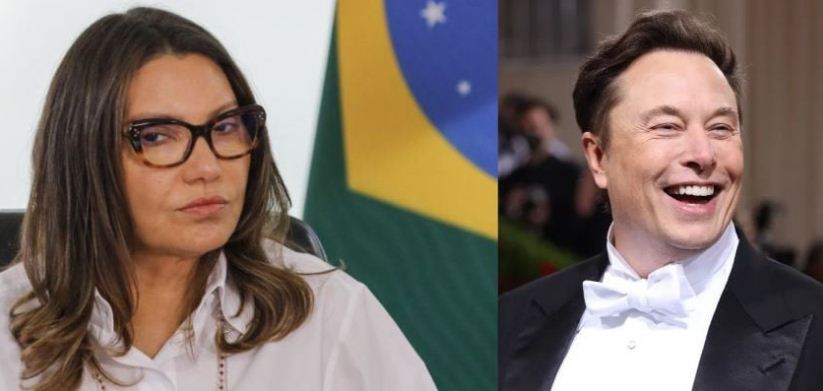
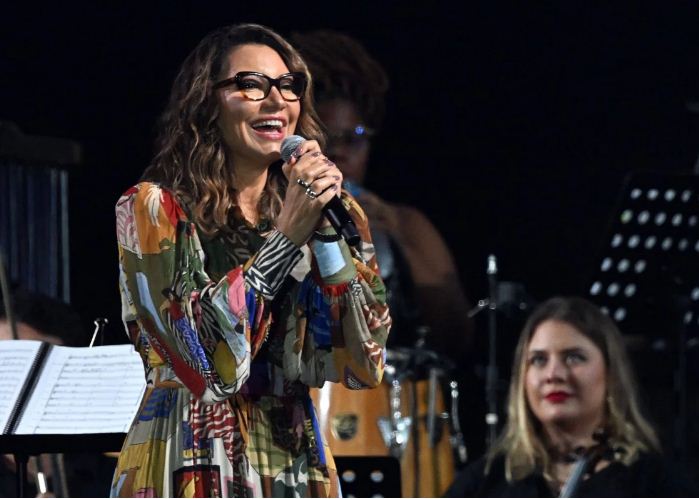
Brazil’s First Lady, Janja Lula da Silva, made headlines on Saturday during a G20 social event in Rio de Janeiro when she lashed out at billionaire Elon Musk, owner of the social media platform X (formerly Twitter). Speaking about the need to regulate social media to curb misinformation, she reacted sharply to a ship’s horn that sounded during her speech, joking, “I think it’s Elon Musk,” before adding, “I’m not afraid of you, f*** you, Elon Musk.”
Elon Musk Responds with Defiance
Musk quickly responded to the incident on social media, sharing a video of Janja’s remarks with a laughing emoji. In a follow-up post, Musk predicted, “They are going to lose the next election,” referring to the Brazilian government’s upcoming political challenges. His remarks seemed to downplay the significance of the First Lady’s comments, continuing a public clash between the two figures.
G20 Social Event Sparks Tensions Ahead of Summit
The First Lady’s outburst came ahead of the Rio de Janeiro G20 summit, set to take place on Monday and Tuesday, where global leaders will gather to discuss pressing international issues. During her speech at the social event, Janja Lula da Silva emphasized the importance of regulating social media to prevent the spread of fake news and hate speech, issues that have been a major point of contention in Brazil and globally.
X (Formerly Twitter) Faces Controversy in Brazil

Musk’s company has been at odds with Brazilian authorities over its handling of misinformation. Earlier this year, X was temporarily suspended in Brazil for a month after failing to comply with local laws, including naming a legal representative in the country and ignoring court orders to block accounts spreading false information and hate speech. The suspension highlighted the growing tension between the tech giant and the Brazilian government over its role in moderating content.
The exchange between Janja Lula da Silva and Elon Musk reflects ongoing global debates about the responsibility of social media platforms in regulating harmful content and the political ramifications of these platforms in elections and public discourse.

