


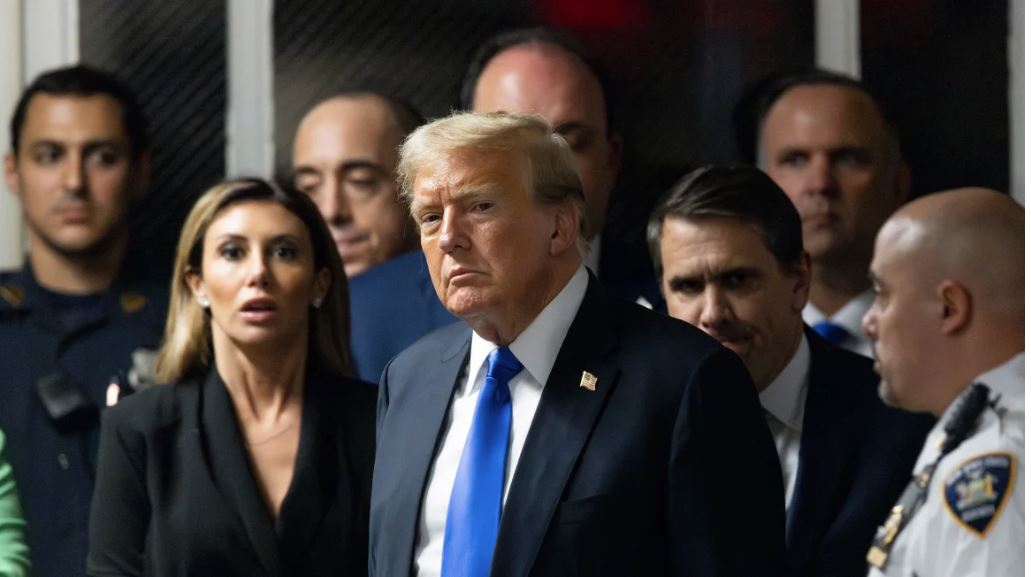
If Donald Trump wins the 2024 presidential election, he may gain more than just the presidency. A second term could give him the power to disrupt several significant criminal cases against him, including two federal indictments for mishandling classified documents and attempting to overturn the 2020 election results, along with two state-level cases in New York and Georgia.
Federal Cases Could Face Dismissal Under Trump’s Executive Authority
Trump faces two federal charges, one related to alleged 2020 election interference and another for his handling of classified documents found at Mar-a-Lago. The first case, led by Special Counsel Jack Smith, is pending in Washington, D.C., and the second was dismissed by a judge in Florida, though the Department of Justice (DoJ) has appealed that decision.
As president, Trump could leverage his authority to influence the DoJ, which traditionally does not pursue indictments against sitting presidents. By appointing a supportive attorney general, he could push for dismissal of these cases or even issue a direct order to halt proceedings. Trump has also indicated he would immediately fire Special Counsel Jack Smith.
State-Level Cases: Greater Challenge for Presidential Intervention
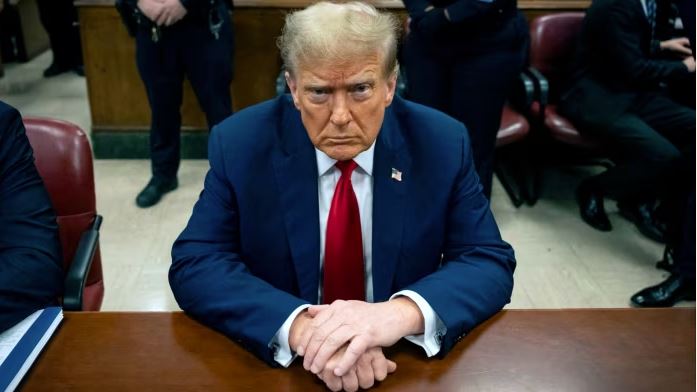
State cases in New York and Georgia are beyond federal jurisdiction, making it harder for Trump to interfere directly if he becomes president. In Georgia, he faces charges of attempting to overturn the 2020 election results. Some co-defendants have pleaded guilty, but Trump maintains his innocence.

Experts suggest Trump could direct the DoJ to file a federal lawsuit to pause the Georgia case, potentially fast-tracking it to the Supreme Court, which has recently ruled that former presidents are immune from prosecution for official acts. Meanwhile, in New York, Trump’s sentencing in the Manhattan “hush money” case has been postponed until after the 2024 election, with further rulings pending.
The Prospect of a Self-Pardon: Uncharted Legal Territory
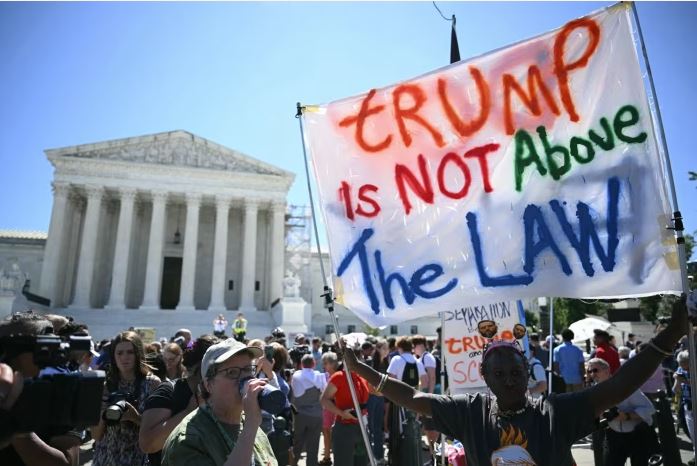
As president, Trump would have wide-ranging authority to pardon federal offenses, a power that does not extend to state cases. While no U.S. president has ever pardoned himself, Trump considered the possibility during his first term. A self-pardon would be unprecedented and likely contested in the Supreme Court, though it could be unnecessary if federal cases are dismissed.
Some legal scholars suggest Trump might use a self-pardon as a protective measure, ensuring he cannot be prosecuted federally after his presidency. However, following the Supreme Court’s recent ruling on immunity for former presidents, some argue this question may now hold less weight.
Could Trump Escape Sentencing Altogether?
A return to the White House would make sentencing unlikely while he is in office, as it would be constitutionally challenging to incarcerate a sitting president. This situation would likely result in further delays and possibly the eventual dismissal of all charges.
Conclusion: Trump’s Legal Battles Could Shift if He Wins the White House
Legal experts believe that Trump’s potential second term could significantly impact ongoing federal and state cases, reshaping legal precedents and testing the boundaries of presidential authority and immunity.

