


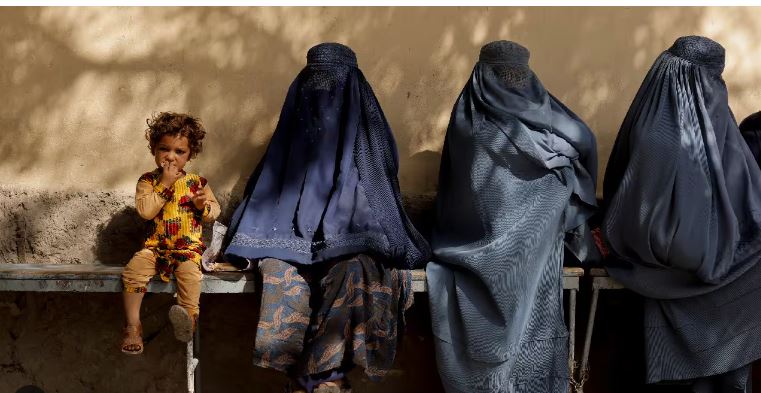
In a new decree, the Taliban has imposed further restrictions on Afghan women’s freedoms, barring them from praying aloud, even in the presence of other women. Taliban Minister for the Propagation of Virtue and the Prevention of Vice, Mohammad Khalid Hanafi, announced that women should avoid reciting the Quran audibly when other women are present, according to Amu TV. Hanafi justified this mandate by asserting that a woman’s voice is considered “awrah,” a term indicating that it should remain concealed and unheard in public settings.
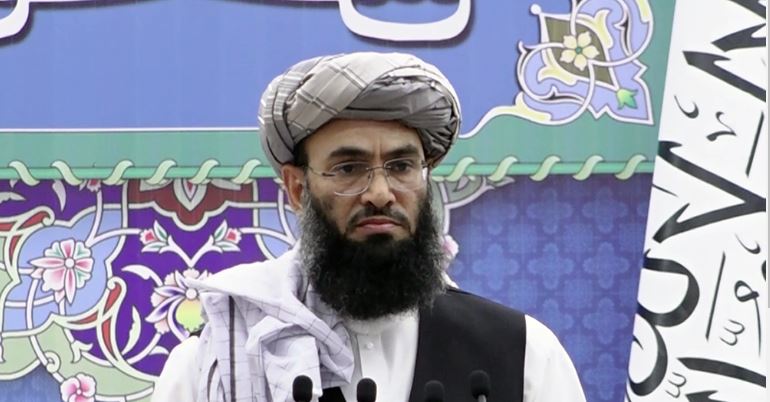
Woman’s Voice as “Awrah”
Hanafi elaborated that a woman’s voice should be concealed, even among other women, aligning with the Taliban’s stance that women are not permitted to call Takbir or Azan – the Islamic call to prayer – and therefore cannot engage in singing or listening to music.
Worsening Conditions for Afghan Women
The decree has raised alarm among experts, who fear it will further silence women and marginalize them from public life. This restriction is one in a series of oppressive policies since the Taliban’s return to power in 2021. Recently, in August, the regime mandated full-body coverings, including face veils, for women in public.
Female Healthcare Workers Silenced
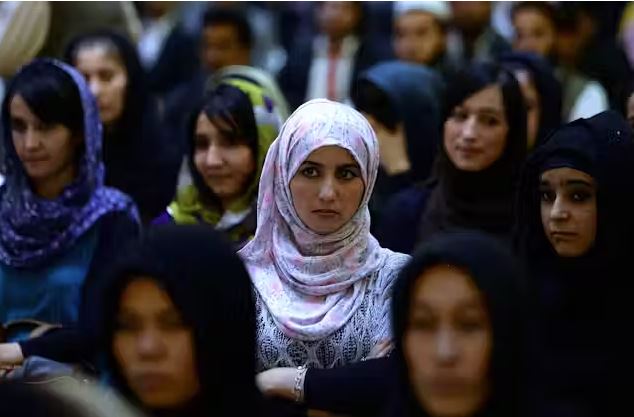
Afghan women who remain in the workforce face further limitations. Female healthcare workers, some of the few women permitted to work outside the home, report that they are forbidden from speaking in public, especially with male relatives. A midwife from Herat disclosed to Amu TV that they are not allowed to speak at checkpoints on their way to work and are instructed not to discuss medical matters with male relatives in clinics.
Global Concern Over Afghanistan’s Human Rights Crisis
Although it’s unclear how strictly this latest decree will be enforced, it reflects the Taliban’s broader agenda to restrict women’s rights. With each new restriction, Afghan women face increasingly severe limitations, drawing global condemnation from human rights organizations.
Alarming Rollback on Women’s Rights
The Taliban’s record on women’s rights remains concerning. Amnesty International reports that the regime has:

- Banned girls from attending secondary school
- Restricted women’s access to work and education
- Enforced strict clothing mandates
The international community continues to voice deep concern over the Taliban’s policies, which increasingly confine Afghan women’s rights and freedoms.

