


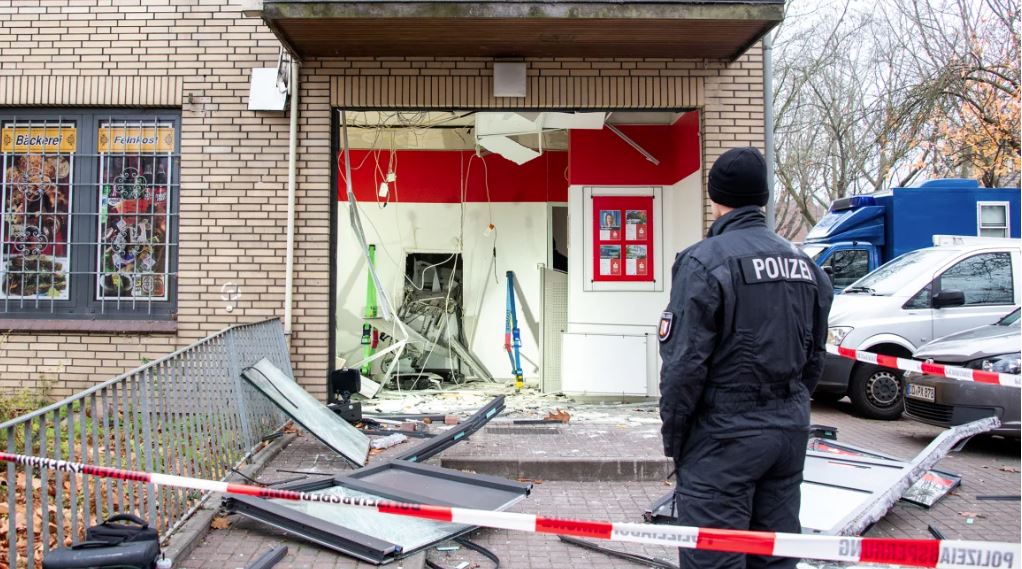
n the early hours of March 23, 2023, residents of Kronberg, Germany, were abruptly awakened by several explosions. Criminals had detonated explosives at an ATM located beneath a residential building, severely damaging the property and forcing an evacuation of its occupants. Witnesses reported seeing individuals in dark clothing fleeing the scene in a black car toward a nearby highway.
Explosive ATM Heists on the Rise
The thieves escaped with €130,000 in cash, causing an additional €500,000 in property damage, according to Germany’s Federal Criminal Police Office (BKA). ATM explosions have become a favored tactic among criminal networks in Europe, offering a less risky alternative to traditional bank robberies.
Germany, Europe’s largest economy with a high preference for cash payments, has seen a surge in ATM bombings, averaging more than one per day in recent years. Criminals can make hundreds of thousands of euros in a single attack, which has attracted organized crime groups targeting machines in quieter, residential neighborhoods to minimize detection.
Europol’s Cross-Border Crackdown
Europol has intensified efforts to dismantle these crime networks. Earlier this month, German, French, and Dutch authorities arrested three members of a gang suspected of multiple ATM bombings. Investigators uncovered that the group had been hiding in France and using rental cars to escape crime scenes, resulting in millions of euros in theft and collateral damage across the region.

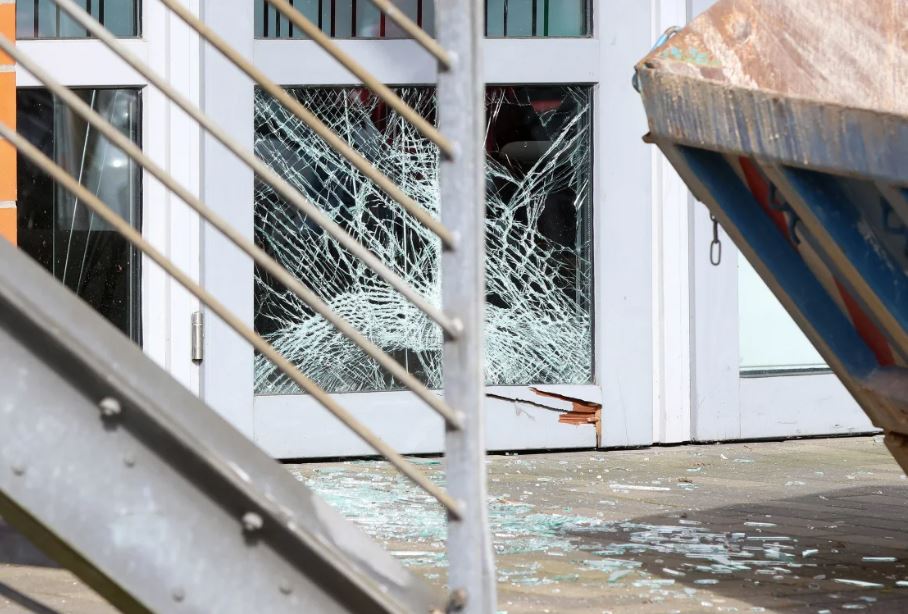
The suspects primarily use explosives sourced from modified fireworks. The explosions often shatter building facades and scatter glass shards, posing a severe danger to residents and passersby. In one tragic incident on November 11, a high-speed chase following an ATM robbery in Wiernsheim, Germany, led to a fatal head-on collision, injuring two civilians—one fatally.
Germany’s Cash Culture Makes It a Prime Target
Germany’s affinity for cash transactions has made it especially attractive to ATM thieves. Unlike many of its neighbors that shifted towards digital payments post-COVID, Germany retains over 51,000 ATMs across the country. Cash remains popular, with nearly half of transactions in 2023 still conducted in banknotes and coins, reflecting a cultural attachment to cash for its privacy and control over spending. Many older Germans, influenced by the country’s history, view cash as the most secure payment method.
The BKA reported a slight dip in ATM robberies from 2022 to 2023, with a total of 461 incidents last year. However, the numbers are still near historic highs, with most heists occurring in the early morning hours on weekdays.
Efforts to Combat ATM Explosions
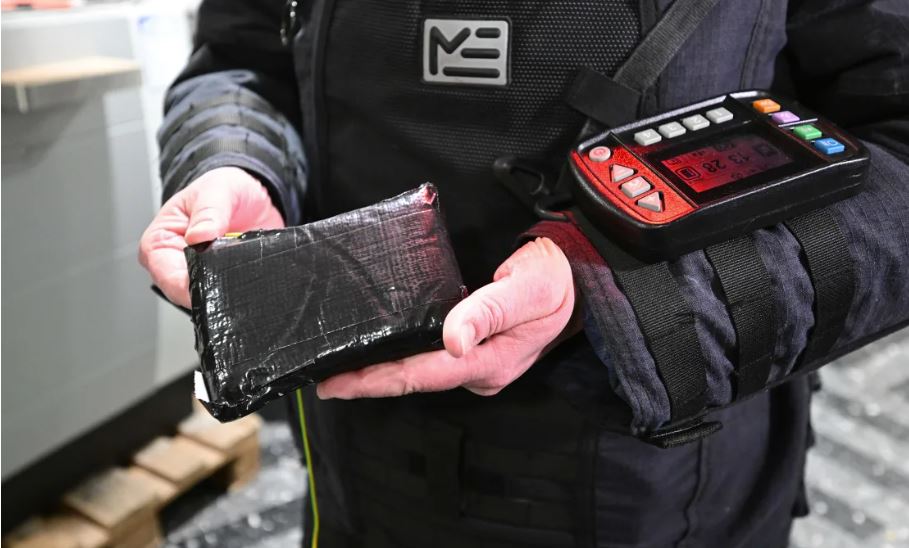
In response, German banks have invested more than €300 million in security upgrades, including alarm systems, ink-staining solutions, reinforced locks, and fogging technology. Still, some methods, such as gluing systems that render stolen cash unusable, are not permitted in Germany, limiting defensive options.
This July, the German government increased the minimum sentencing for ATM bombing to at least two years in prison. If bystanders are harmed, offenders now face sentences of five to fifteen years. Interior Minister Nancy Faeser emphasized the severe consequences, stating, “Anyone who blows up ATMs risks the lives of uninvolved people. We are dealing with unscrupulous perpetrators and highly dangerous explosives, and these acts must therefore be punished more severely.”
With an extensive ATM network and high demand for cash, Germany remains a target for cross-border crime groups. However, collaborative law enforcement efforts and new security measures are starting to curb the frequency and impact of these destructive heists.

