


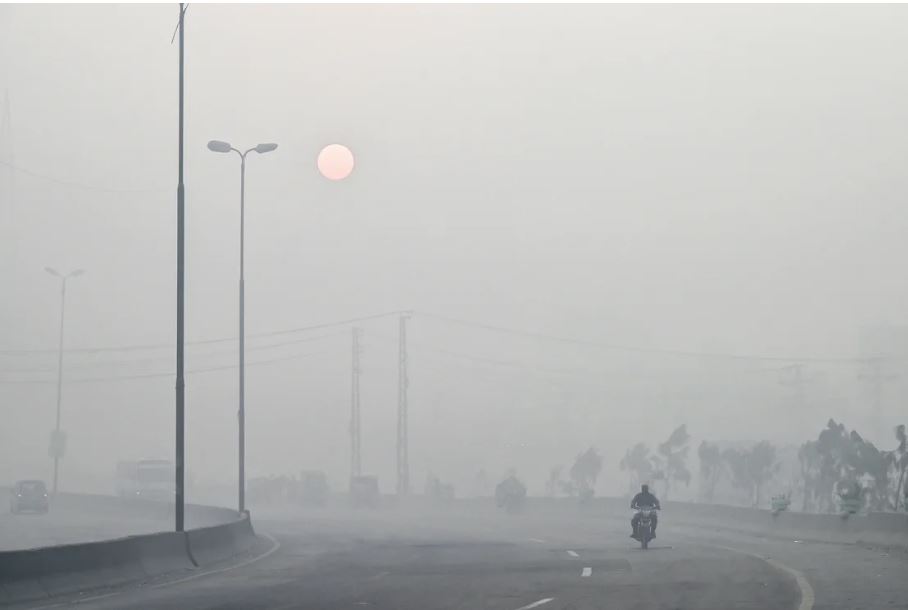
Thick, toxic smog has blanketed northern India and eastern Pakistan, creating hazardous air conditions just days before Diwali, a Hindu festival celebrated with fireworks that typically worsen air pollution levels.
Delhi and Lahore: Among the World’s Most Polluted Cities
In New Delhi, the air quality index (AQI) hovered around 250 on Monday, indicating a “very unhealthy” level, according to global air quality tracker IQAir. Meanwhile, Lahore in Pakistan recorded a staggering AQI above 500—nearly 65 times the World Health Organization’s guideline for safe air—making it the most polluted city worldwide at the time of measurement.
Winter Smog Season and Diwali’s Impact on Air Quality
As winter approaches, the region faces its notorious “smog season,” marked by stagnant yellow haze caused by a mix of stubble burning, coal-fired power plant emissions, traffic, and lack of wind. With Diwali set to begin Thursday, the use of firecrackers is expected to intensify pollution levels, despite local bans.
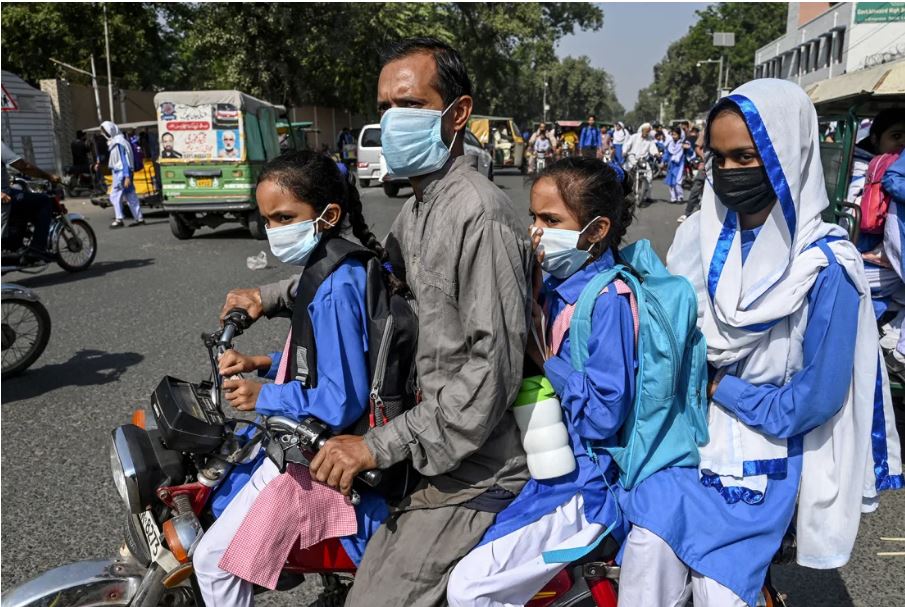
Each year, smog season brings disturbing scenes of buildings shrouded in orange haze, raising alarms among health experts, who warn that the toxic air increases the risk of respiratory diseases and shortens life expectancy. In Delhi alone, pollution is so severe that experts estimate it could cut years off the lives of millions.

Struggling to Enforce Anti-Pollution Policies
Although Delhi has banned firecrackers, enforcing the policy has proven challenging. Recently, India’s Supreme Court criticized the Punjab and Haryana state governments for failing to curb stubble burning, a common farming practice to clear fields that significantly contributes to pollution. Despite claims of progress, local officials face difficulties in fully eliminating the practice.
India’s Clean Air Programme and Mixed Progress
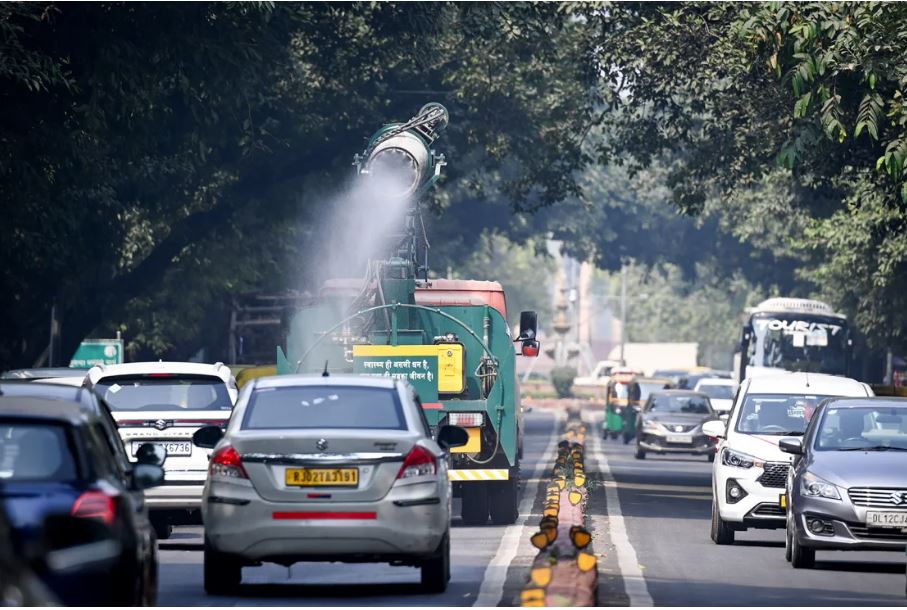
India launched its Clean Air Programme in 2019, aiming to reduce particulate matter by 40% across 24 states and territories by 2026 through policies targeting coal power plants, implementing air monitoring systems, and banning biomass burning. In Delhi, authorities have tried various temporary measures, such as spraying water on roads and inducing artificial rain, but experts argue these efforts fall short of addressing the root causes.
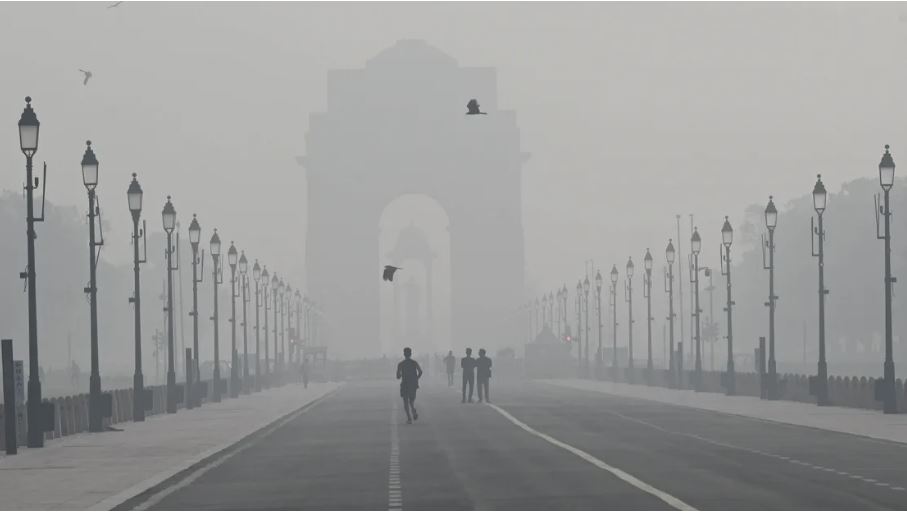
Some cities have shown minor improvements, yet progress remains slow. According to IQAir, New Delhi’s PM2.5 levels—a key measure of pollutants—have largely stagnated each November from 2018 to 2022, highlighting the ongoing struggle to achieve cleaner air.
Questions Over India’s Commitment to Fighting Pollution
Critics argue that India’s commitment to tackling its pollution crisis remains insufficient, pointing to slow implementation of policies and the complex, multi-state nature of the problem. With Diwali adding to the seasonal surge in pollution, the urgent need for long-term solutions to India’s air quality crisis has never been more apparent.

