


The White House has directed the Pentagon and national security agencies to boost their adoption of artificial intelligence (AI), marking a pivotal step in countering technological competition from China and other global powers. The directive, part of a historic national security memorandum released Thursday, calls for increased AI deployment across federal agencies, focusing on advancing security while managing risks.
The memo, signed by President Joe Biden, emphasizes AI’s potential but also sets boundaries, banning the technology’s use in ways that conflict with democratic values. It builds on a previous executive order and urges agencies to secure diverse chip supply chains to support AI growth, while balancing human rights and privacy concerns.
National Security Adviser Warns of AI Race with Rivals
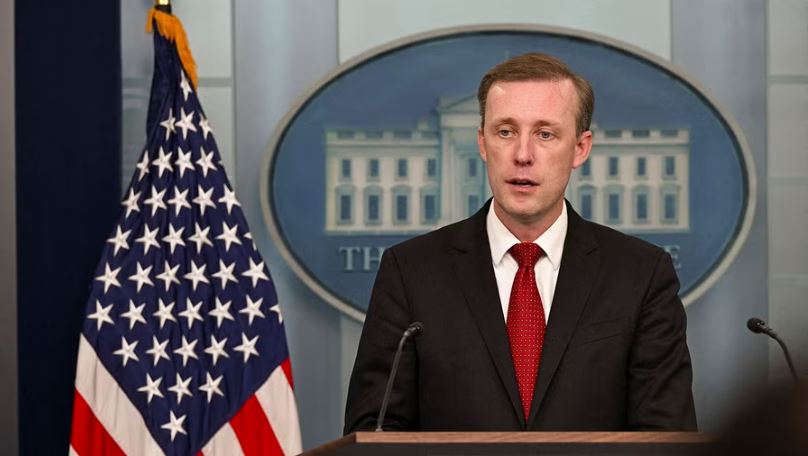
National Security Adviser Jake Sullivan outlined the urgency of AI adoption, stating that the U.S. must outpace rivals like China in deploying AI for national defense. Speaking at the National Defense University, Sullivan warned that adversaries are continuously working to surpass American military and intelligence capabilities, cautioning that the U.S. risks losing its technological lead if it lags in AI adoption.
Addressing AI Risks: Privacy, Human Rights, and International Standards
The memorandum includes specific measures to address potential AI risks, including privacy breaches, bias, and human rights concerns. Agencies are tasked with monitoring and mitigating AI’s impact to prevent discrimination, ensure individual safety, and support international standards for AI deployment.

Sullivan highlighted that AI is already transforming areas such as logistics, cyber defenses, and intelligence analysis within national security. While AI’s potential to enhance defense is significant, Sullivan acknowledged that countries like China might not adhere to similar ethical standards, posing additional challenges.
Concerns Over Military AI Use and Autonomous Drones
The expansion of AI for military purposes has sparked debate, particularly around autonomous drones capable of executing attacks independently. Last year, the U.S. issued a call for international cooperation in establishing standards for these autonomous weapons to prevent misuse.
Criticism and Caution from Civil Liberties Advocates
The American Civil Liberties Union (ACLU) raised concerns about the directive, stating it grants too much autonomy to national security agencies to regulate their own AI systems. Patrick Toomey, deputy director of ACLU’s National Security Project, criticized the plan as insufficient in protecting against potentially harmful and unaccountable AI systems.
The White House’s latest AI strategy underscores its commitment to advancing national security while safeguarding democratic values and human rights, aiming to lead responsibly in a rapidly advancing global AI race.

