


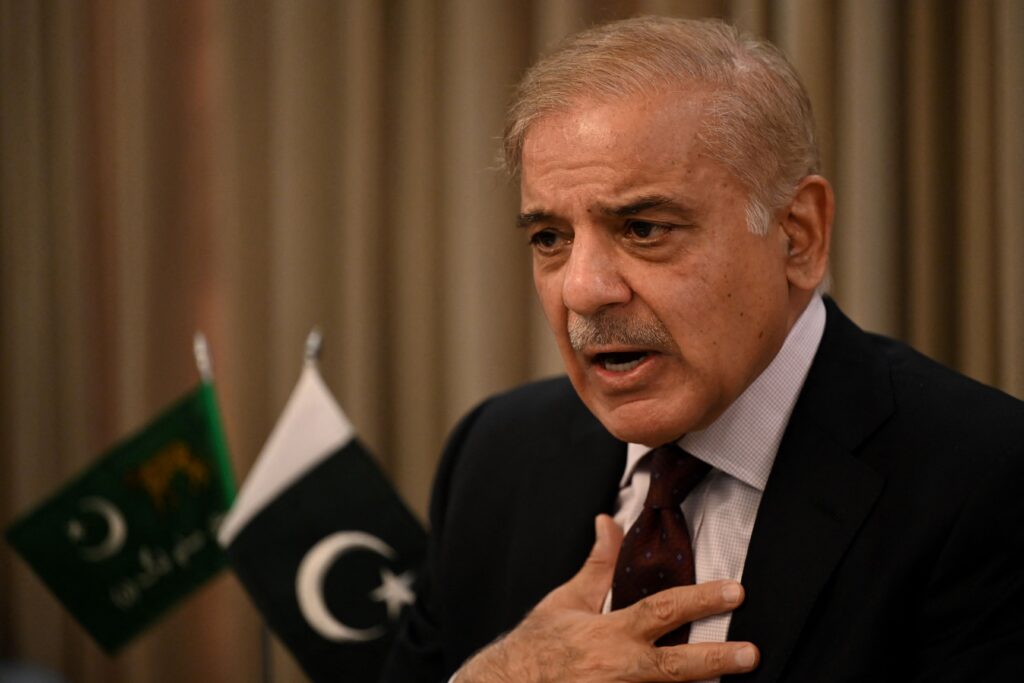
The United States has refrained from addressing Prime Minister Shehbaz Sharif’s recent request for the release of Dr. Aafia Siddiqui, a Pakistani neuroscientist serving an 86-year sentence in the U.S. on terrorism charges. Sharif’s plea, made on humanitarian grounds, was directed to President Joe Biden earlier this month.
Details about the letter surfaced last Friday when a state attorney submitted it to the Islamabad High Court. The court had previously asked for a comprehensive report on the efforts by Pakistani authorities to secure Siddiqui’s extradition.
Dr. Aafia Siddiqui, who received her education in the U.S., was convicted in 2010 on multiple charges, including attempting to kill American soldiers in Afghanistan. She had been married to a nephew of Khalid Sheikh Mohammed, a key figure in the September 11, 2001, attacks.
In the letter, Prime Minister Sharif highlighted concerns raised by Pakistani officials during consular visits regarding Siddiqui’s treatment in prison. There were fears expressed that her mental state could lead to self-harm.
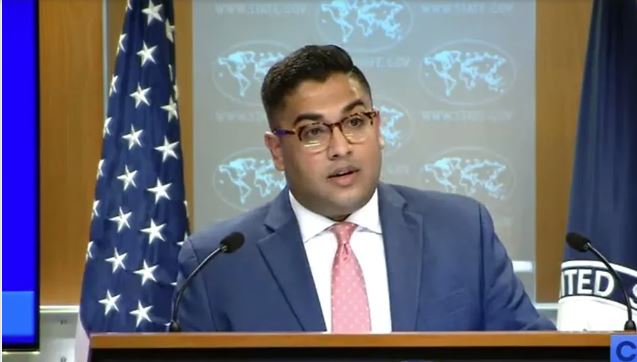
When questioned during a press briefing in Washington, DC, Vedant Patel, Principal Deputy Spokesperson for the U.S. State Department, declined to comment on the prime minister’s appeal or the Biden administration’s position on the matter.
“I won’t discuss private diplomatic communications,” Patel said, adding that any questions related to Siddiqui’s imprisonment should be directed to the U.S. Department of Justice.

Dr. Siddiqui’s sister, Fauzia Siddiqui, has been vocal in the media about her sister’s case and has visited her in the U.S. She continues to push for her release, urging the Pakistani government to take stronger measures for her return.

