


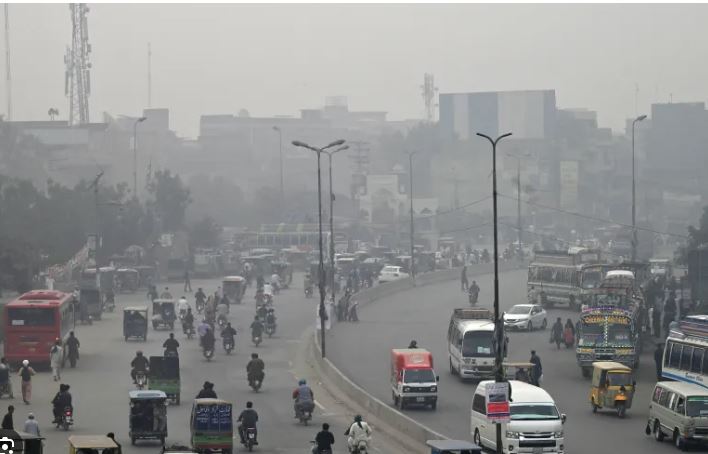
The Punjab government in Pakistan has announced plans to induce artificial rain as part of its efforts to combat severe winter smog, according to state media reports. The region experiences intense air pollution, primarily due to farmers burning crop residue, compounded by emissions from low-grade diesel. During the cooler months, temperature inversions trap pollution closer to the ground, leading to a surge in respiratory issues.
A joint effort involving the Punjab environment department, army aviation, civil aviation, the meteorological department, and the Pakistan Council of Scientific & Industrial Research (PCSIR) has been organized to address the crisis. Provincial Minister for Environment Protection and Climate Change Marriyum Aurangzeb stated that artificial rain will be initiated as necessary, with costs estimated between 5 to 7 million rupees per instance (up to $25,290).
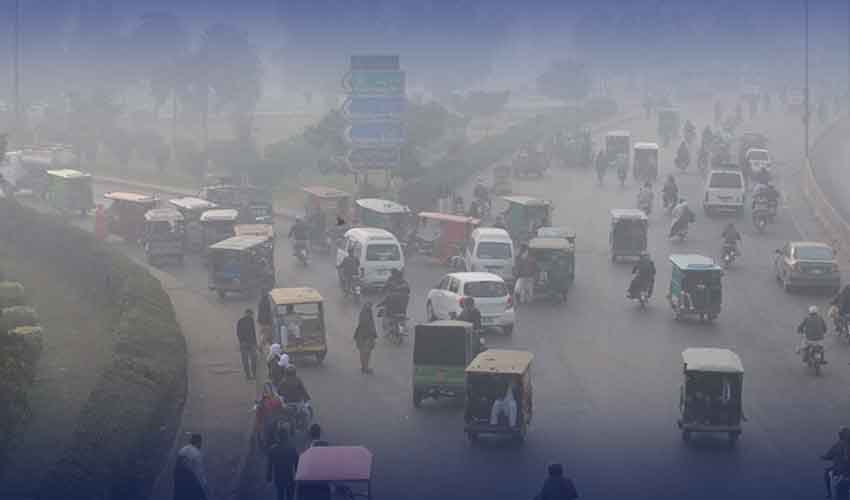
The smog season, peaking between October and February, severely impacts air quality in cities like Lahore and New Delhi. Rising pollution levels have been linked to a reduction in life expectancy by more than five years in South Asia. The government has previously implemented several measures, including cracking down on brick kilns and shutting down schools, to control the situation.
The crackdown on polluting vehicles, factories, and other sources of toxic emissions will continue, with the public encouraged to report violations to a dedicated helpline (1373).


