


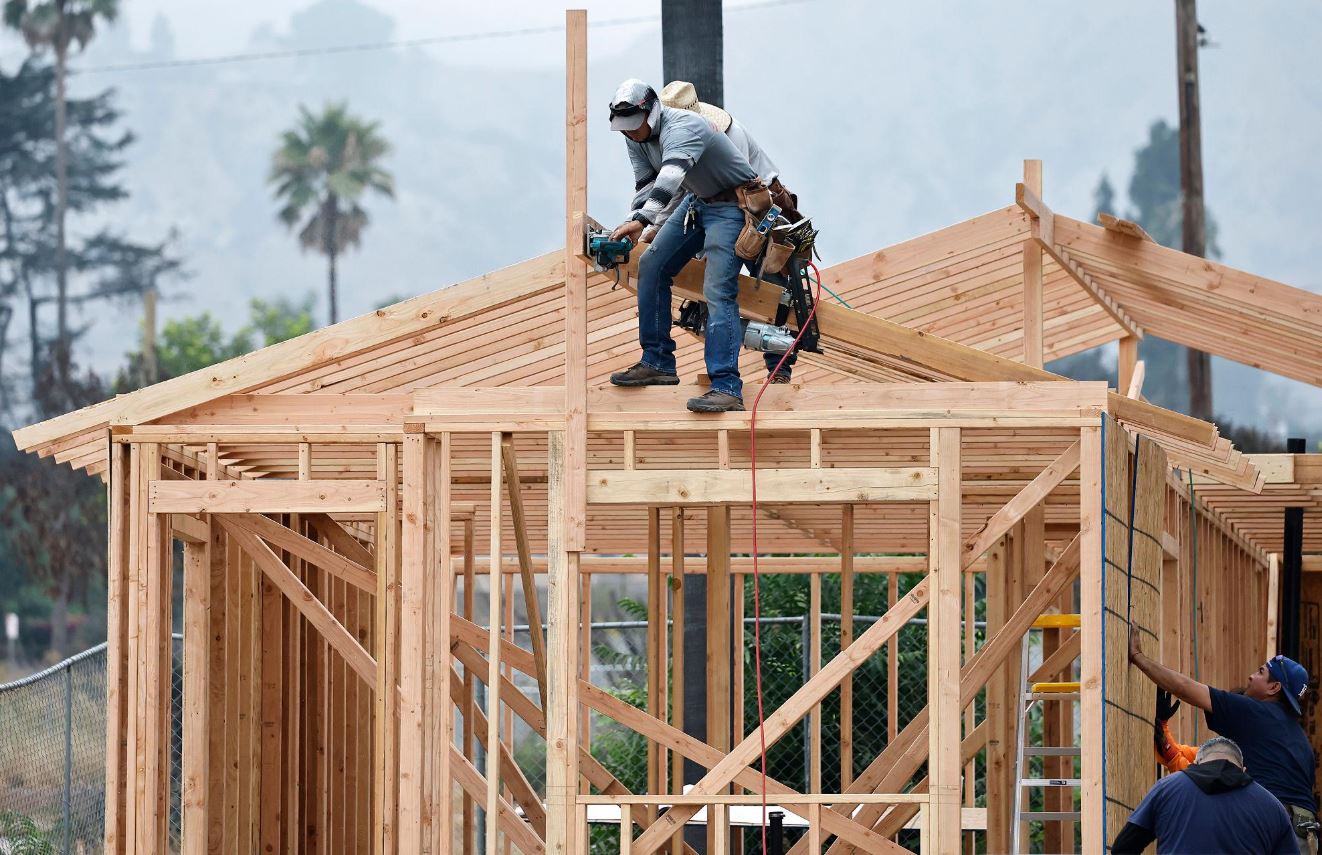
ALTADENA, California, October 16, 2026 — Thousands of people affected by the devastating Los Angeles-area wildfires of January 2025 are still trying to rebuild their lives. But as recovery continues, many households face the possible loss of the case managers who have been helping them navigate insurance claims, financial assistance and rebuilding costs.
According to the Associated Press, about 1,400 households could lose access to disaster case managers by the end of October, while more than 700 households remain on a waiting list for the service. The uncertainty stems from an ongoing funding dispute between California and the Federal Emergency Management Agency (FEMA).
Recovery continues long after the fires
The Eaton and Palisades fires destroyed thousands of structures in the Los Angeles area in January 2025. Although the immediate emergency has passed, many survivors are still dealing with the financial and administrative challenges of recovery.
Disaster case managers help affected families understand complicated assistance procedures, complete applications, seek rental support, challenge insurance decisions and identify financial resources to cover the difference between insurance payments and rebuilding costs. They can also help survivors recognise scams that often target people dealing with urgent financial losses.
For some households, this support has been essential. The AP reported that 78-year-old Altadena resident Mary Landau, whose home was destroyed in the Eaton Fire, has relied on her case manager to navigate insurance paperwork and secure financial assistance while working towards rebuilding her home.
The possible end of the programme has raised concerns among survivors who are still waiting for insurance payments, housing support or sufficient funds to rebuild.

Funding uncertainty threatens continuity of assistance
California initially requested $28 million for disaster case management following the fires. FEMA approved $13.2 million, but disagreements over reimbursements and additional funding have complicated the programme’s continuation.
On September 30, 2026, FEMA released $6.6 million in previously approved funding after pressure from California lawmakers. However, the additional $6.5 million requested by the state to meet the programme’s wider needs remained unresolved in the AP’s October 16 report.
Nonprofit organisations involved in the programme are attempting to transfer cases and find alternative sources of support, but they say available resources will not be enough to continue helping everyone.
The situation highlights a wider disaster-management challenge: emergency response may last days or weeks, but recovery can take years. Families may continue to need help long after evacuation orders are lifted and news coverage moves on.
What Pakistani-American and other immigrant families should know
For immigrant families affected by wildfires or other disasters, navigating recovery programmes can be particularly difficult when they face language barriers, unfamiliar application procedures or complicated insurance documents. These challenges do not mean that immigrant households are automatically ineligible for assistance; eligibility depends on the specific programme and its rules.
Families affected by a disaster should take the following steps:
- Keep important records: Save insurance policies, claim numbers, photographs of property damage, receipts for temporary accommodation and repairs, and copies of assistance applications.
- Track every application: Record submission dates, reference numbers, deadlines and the names of agencies or representatives contacted.
- Seek help from reliable organisations: Contact official disaster-recovery agencies, established legal-aid organisations, recognised community groups or trusted nonprofit service providers.
- Be alert to recovery scams: Be cautious of anyone guaranteeing disaster grants in exchange for upfront payments, requesting sensitive information through unverified messages or pressuring survivors to sign documents immediately.
- Check official information: Use FEMA’s official website, FEMA.gov, and relevant state and local government channels to check assistance programmes, eligibility requirements and current deadlines.
Community organisations, including cultural associations, neighbourhood groups and places of worship, can also help by sharing verified information, directing families to legitimate services and arranging language support. They can complement official recovery programmes, although they cannot replace specialised case management or government assistance.
A reminder that disaster recovery takes years
The situation in Los Angeles shows why disaster preparedness must include long-term recovery planning, not just evacuation plans and emergency supplies. Restoring homes, resolving insurance claims and helping families regain financial stability can take months or years.
For communities across the United States, including Pakistani-American households, the key lesson is to prepare for the recovery period as well as the immediate emergency. Accessible information, reliable community networks and sustained support can make a critical difference when families are trying to rebuild their lives.

