


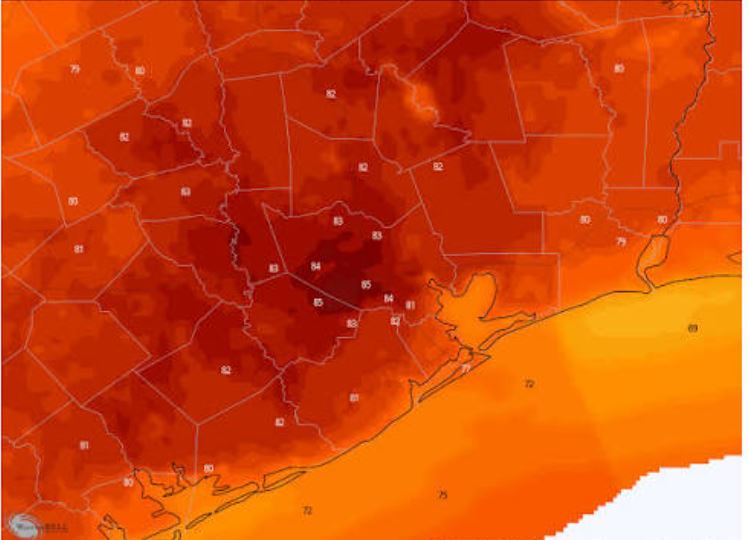
HOUSTON, September 16 — Houston may be moving past the worst of its 100-degree heat, but emergency managers and residents still have to take the city’s late-summer heat seriously.
Houston has recorded nine days of temperatures reaching 100°F or higher in 2026, including an eight-day stretch from August 20 through August 27. While another triple-digit day is becoming less likely as September progresses, the risk from extreme heat does not disappear simply because the thermometer stays below 100.
The National Weather Service Houston/Galveston office is still forecasting mid-90s temperatures and peak heat indices of up to 107°F in the region.
The real danger is not just the temperature
For disaster management, the difference between 99°F and 100°F is less important than how the combination of temperature, humidity and exposure affects people.
Houston’s high humidity can push the heat index well above the actual air temperature, creating dangerous conditions for people working or exercising outdoors.

Recent National Weather Service heat advisories for Southeast Texas warned that high temperatures and humidity can cause heat-related illness. Officials have advised residents to stay hydrated, remain in air-conditioned spaces when possible, avoid prolonged exposure to the sun and check on relatives and neighbors.
Who remains most vulnerable?
Even without another 100-degree day, prolonged heat can place additional pressure on vulnerable residents.
Older adults, young children, people working outdoors and those without reliable access to air conditioning can face greater risks during extended periods of heat.
For Houston’s large immigrant communities, including the Pakistani-American community, heat preparedness can also be important for workers in construction, delivery, transportation, restaurants, landscaping and other outdoor or heat-intensive jobs.
Community organizations, families and neighbors can play an important role by checking on elderly relatives and people living alone during particularly hot afternoons.
Prepare for heat before it becomes an emergency
The basic disaster-management response to extreme heat starts before symptoms appear.
Residents should keep drinking water regularly, reduce strenuous outdoor activity during the hottest part of the day and identify an air-conditioned location where they can cool down if their home becomes too hot.
FEMA’s heat-safety guidance also recommends identifying cooling locations in the community, recognizing symptoms of heat-related illness and keeping homes as cool as possible.
Anyone showing signs of serious heat illness should be moved to a cooler location, and heat stroke is a medical emergency requiring 911.
Another threat: sudden weather changes
Houston’s disaster-preparedness challenge does not end with extreme heat.
The region can move quickly between hot conditions, thunderstorms and heavy rainfall. The National Weather Service continues to track daily chances for showers and thunderstorms across Southeast Texas.
That means residents should remain prepared for more than one hazard at a time — particularly heat, thunderstorms, flooding and tropical weather during hurricane season.
The National Weather Service’s 2026 Houston/Galveston Hurricane Guide recommends that residents understand their evacuation zones, have a family emergency plan and maintain supplies before a storm threatens the region.
Could Houston still see a 10th 100-degree day?
It is still possible, but increasingly unlikely as September moves forward.
The more important message for emergency preparedness is that 100°F does not have to appear on the thermometer for dangerous heat conditions to develop.
With heat indices potentially reaching above 100°F, Houston residents should continue treating prolonged heat as a public-safety issue even as the city moves toward fall.
For families, workers and communities across Houston — including the Pakistani-American community — the focus should now be on staying hydrated, checking on vulnerable neighbors, monitoring official weather alerts and being ready for rapid changes in conditions.

