


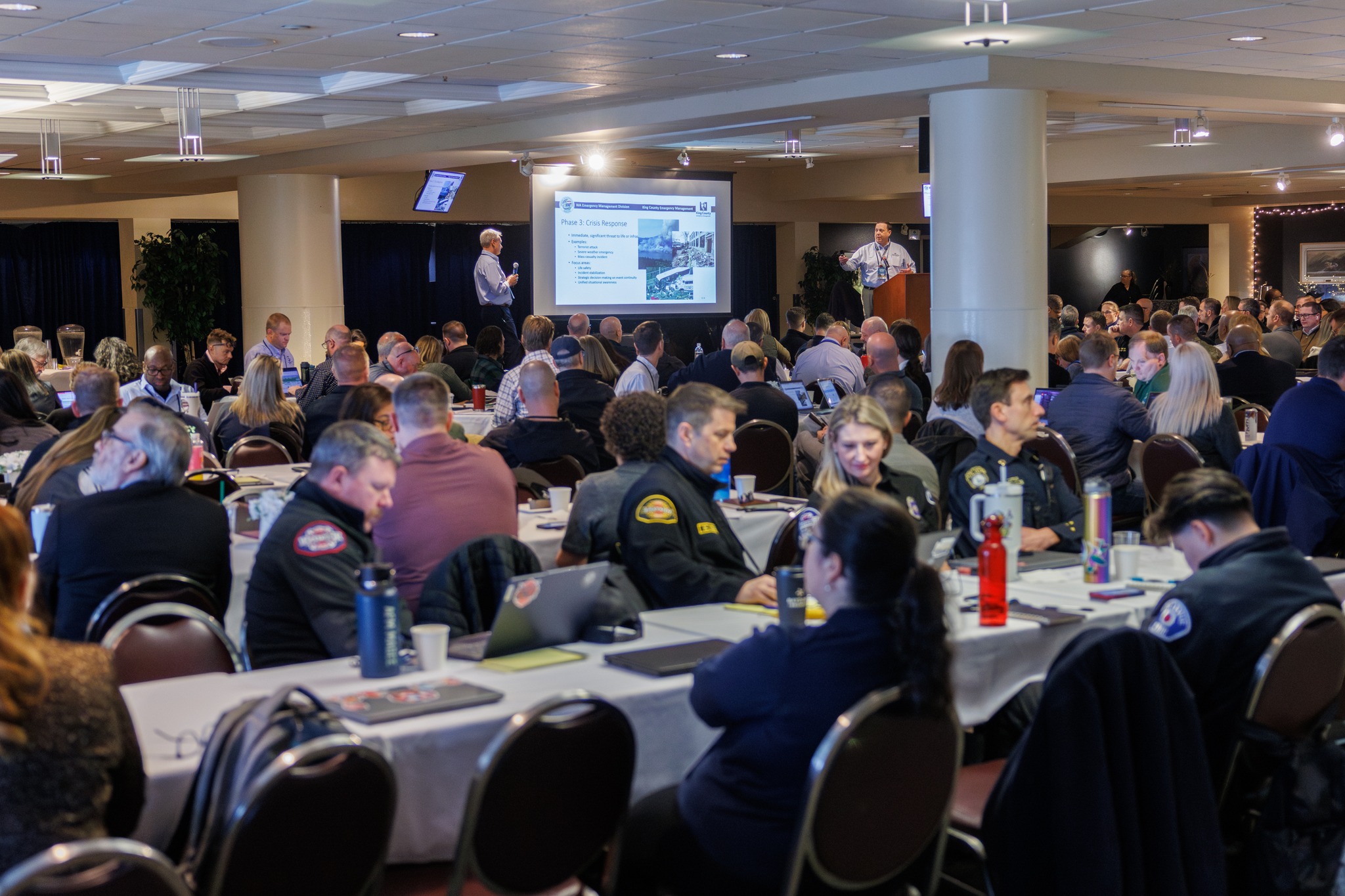
Emergency management officials and public safety leaders recently gathered in Auburn, Washington, for a major planning symposium focused on preparations for the 2026 FIFA World Cup, one of the largest sporting events in the world.
The meeting brought together representatives from the Washington Emergency Management Division, the King County Office of Emergency Management, and more than 200 partners from federal, state, and local agencies. The goal of the symposium was to strengthen coordination, review safety strategies, and enhance preparedness efforts ahead of the global tournament.
The United States will host several matches during the 2026 FIFA World Cup, with Seattle scheduled to stage six games. Officials expect hundreds of thousands of visitors to travel to Washington state for the event, along with large fan celebrations and gatherings taking place across the region.
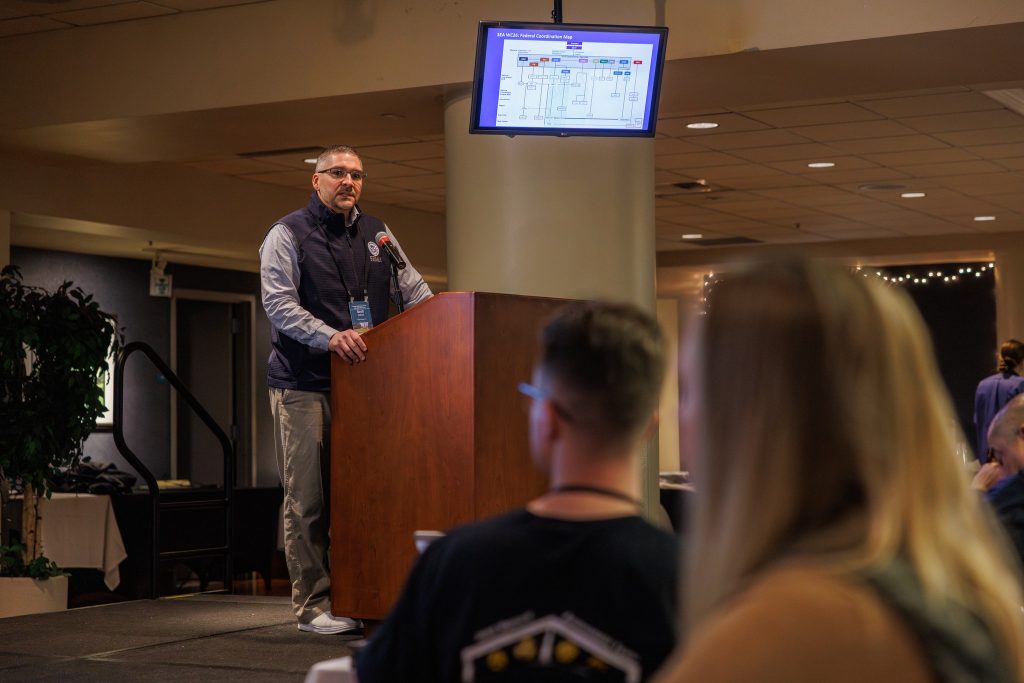
Authorities said extensive planning is already underway to ensure communities are prepared to handle the expected surge of international visitors. Emergency response plans, security measures, and public safety strategies were discussed in detail during the symposium, with agencies working to strengthen coordination before and during the tournament.
Even amid the recent funding lapse affecting the U.S. Department of Homeland Security, many staff members from the Federal Emergency Management Agency continue to play an active role in the planning process. FEMA teams are coordinating with federal partners and emergency officials in all 11 U.S. host cities to support readiness and emergency response efforts.
Officials stressed that strong collaboration between agencies will be key to managing risks and responding quickly if any emergency situation occurs during the tournament.

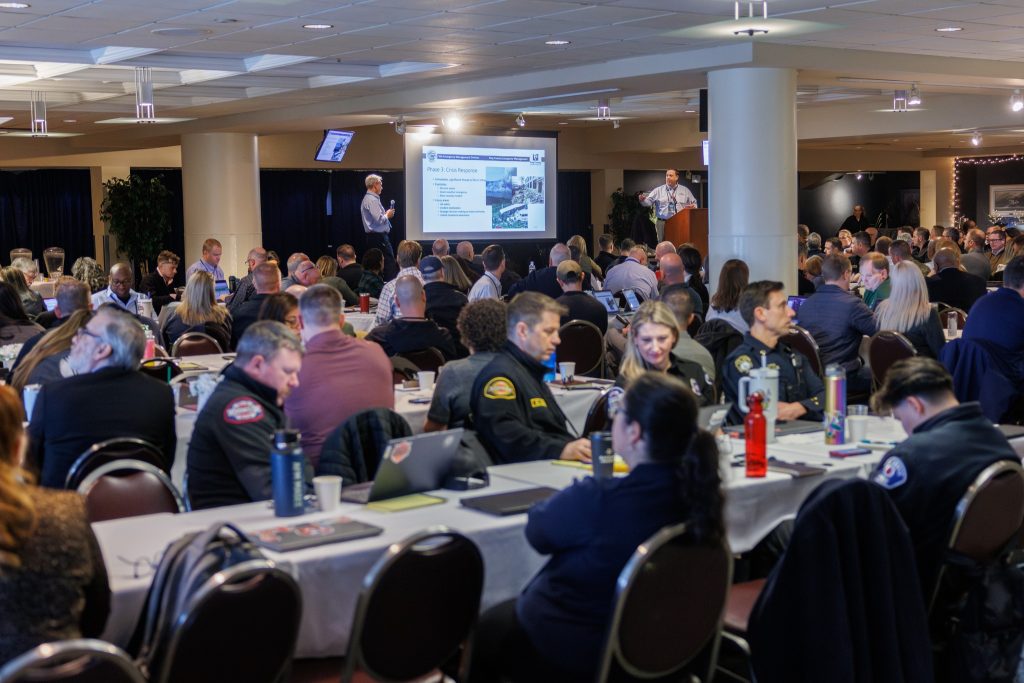
Organizers noted that planning will continue through the months leading up to the event, emphasizing the shared commitment of participating agencies to ensure safety and security throughout the competition.
The symposium highlights the nationwide effort by emergency management organizations to ensure that the 2026 FIFA World Cup is not only a major global sporting celebration but also a safe and well-coordinated event for athletes, fans, and host communities.

