


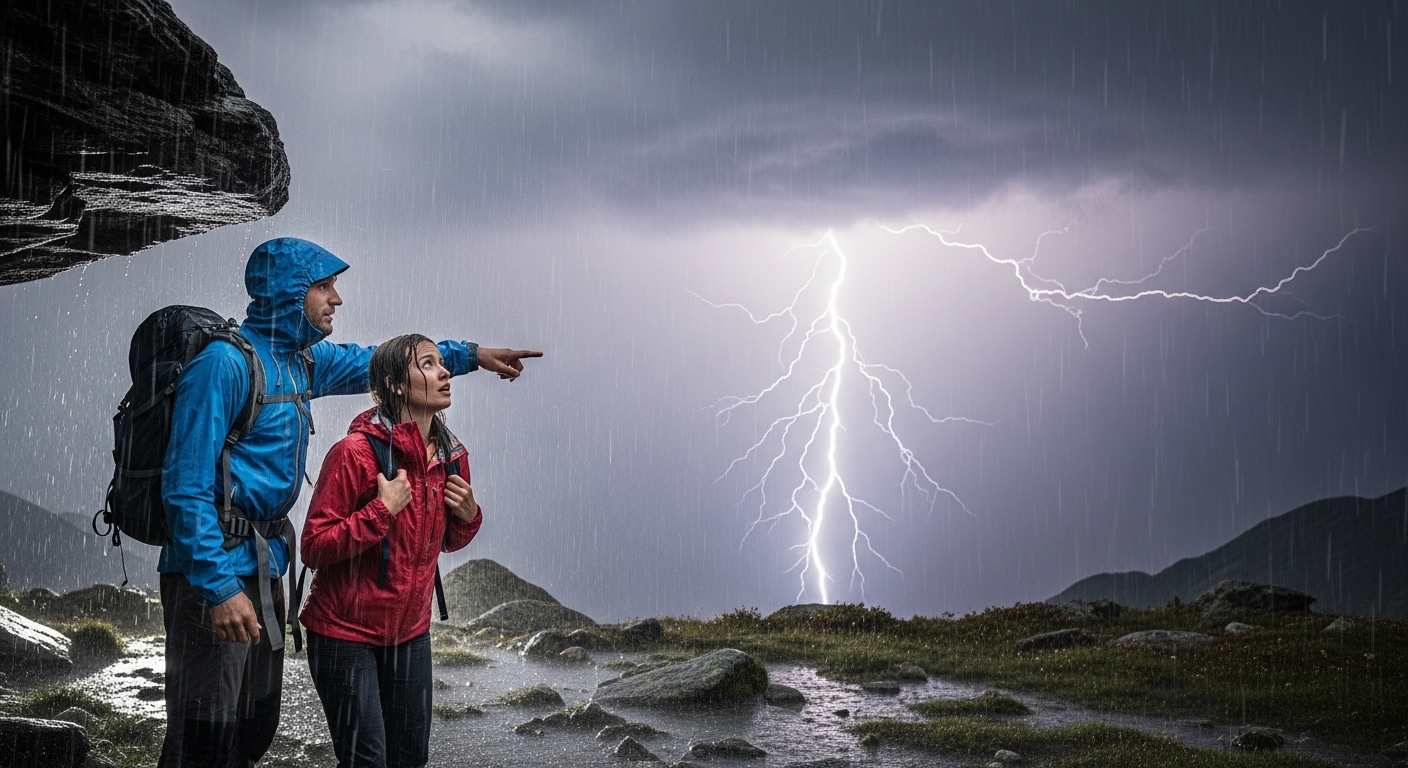
Thunderstorms and lightning strikes can pose serious risks within minutes. Being informed and prepared can significantly reduce the chances of injury or damage. Taking simple precautions at the right time can save lives.
Monitor Weather Alerts Closely
Stay updated through trusted weather services, mobile alerts, television, or radio broadcasts. Pay attention to watches and warnings issued for your area. A thunderstorm watch means conditions are favorable for storms, while a warning indicates that severe weather is already occurring or imminent.
Seek Immediate Shelter When Thunder Is Heard
If you can hear thunder, you are close enough to be struck by lightning. Immediately move indoors into a substantial building with wiring and plumbing, which helps ground the electrical charge. If no building is available, take shelter inside a fully enclosed vehicle with a metal roof and keep the windows closed. Avoid open fields, rooftops, and elevated areas.
Avoid Contact with Concrete Surfaces

Do not sit or lie on concrete floors, and avoid leaning against concrete walls. Lightning can travel through the metal reinforcement bars inside concrete structures and cause injury.
Stay Away from Plumbing and Water
Lightning can travel through pipes and water systems. Avoid using sinks, showers, bathtubs, dishwashers, or washing machines during a storm. Postpone bathing and washing until the storm has completely passed.
Limit Use of Electrical Devices
Do not use electronic devices that are plugged into wall outlets, including computers, televisions, and gaming systems. Unplug sensitive equipment if safe to do so before the storm begins. Battery-powered devices are safer alternatives during severe weather.
Keep Windows and Doors Closed
Stay away from windows, glass doors, and skylights. Flying debris or shattered glass caused by strong winds can result in injury. Remain in the center of the building on a lower level for added protection.
Outdoor Safety Precautions
If you are caught outside with no immediate shelter, avoid isolated trees, metal poles, fences, and bodies of water. Crouch low with your feet together and minimize contact with the ground, but do not lie flat. Move away from bicycles, motorcycles, and other metal objects.
After the Storm Passes
Wait at least 30 minutes after the last clap of thunder before going back outside. Check your surroundings for fallen power lines, damaged structures, or flooding. Report hazards to local authorities if necessary.
Preparedness reduces panic. By understanding the risks and following these safety guidelines, you can protect yourself and others during thunderstorms and lightning events.

