


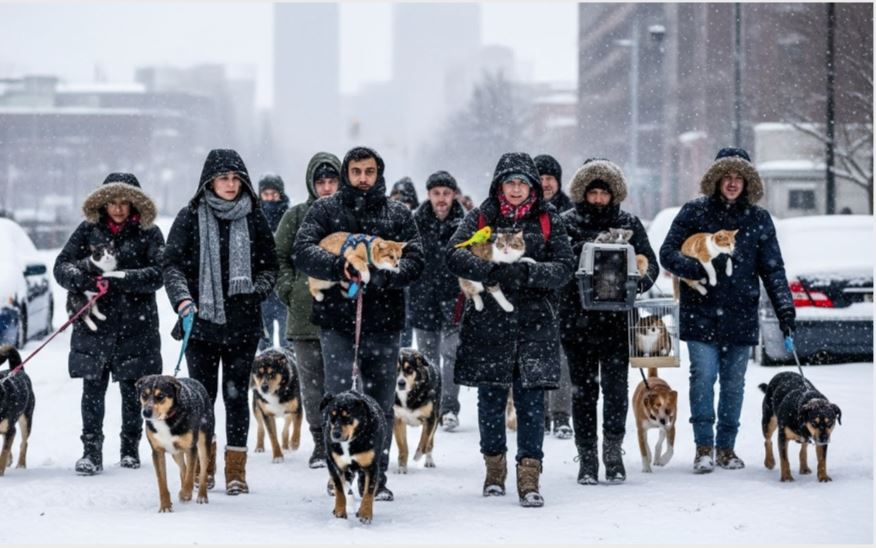
Changing weather patterns, especially harsh winter conditions, pose serious risks not only to humans but also to pets. Extreme cold, snowstorms, freezing winds, power outages, and sudden weather changes can disrupt daily life and create emergency situations. In such conditions, including pets in emergency planning becomes more important than ever. Advance preparation helps reduce fear, confusion, and potential losses during the winter season.
Pets and Emergency Preparedness in Winter
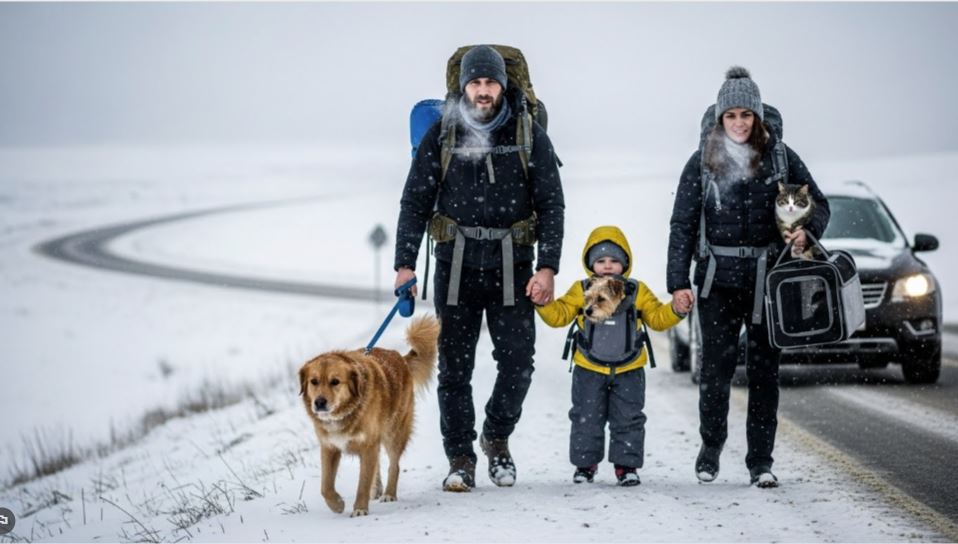
During winter, pets rely entirely on their owners for safety and care. Severe cold, icy conditions, heavy snowfall, or storms can quickly lead to evacuation situations. If authorities issue evacuation orders due to winter weather, pets must be taken along. Leaving them behind in freezing conditions can result in illness, injury, or even death.

Making a Winter-Focused Emergency Plan for Pets
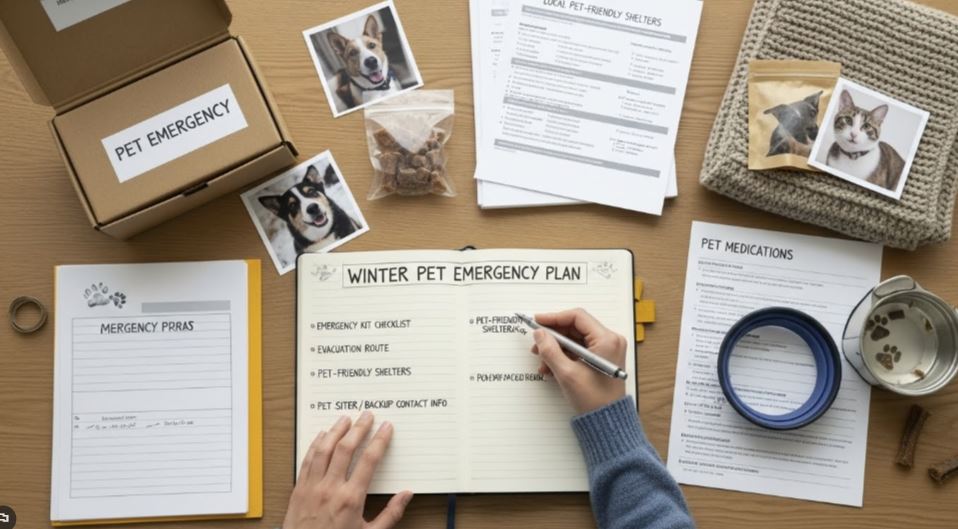
Winter emergencies can be more complex, which is why planning with the season in mind is essential. Decide in advance how you will care for and evacuate your pets during extreme cold or winter storms.
First, arrange winter-appropriate evacuation options for your pets. Roads may be blocked and shelters or hotels may be full during severe weather, so identify safe and warm locations ahead of time, such as the homes of relatives or friends, or animal shelters that accept pets during winter emergencies.
A backup care system is especially important in winter. If harsh weather or travel disruptions prevent you from reaching your pets, neighbors, friends, or family members should be ready to help care for or evacuate them.
Pet Identification and Local Guidance During Winter
Fog, snow, and rain increase the risk of pets becoming lost during winter. Microchipping your pets and ensuring they wear collars with ID tags is critical. Keep your contact details up to date and include an emergency contact who lives outside your immediate area.

It is also wise to contact local emergency management offices, animal shelters, or animal control services to learn about winter-specific guidance and resources available in your area.

Building a Winter Emergency Kit for Pets
Pets have greater needs in cold weather, making a winter-focused emergency kit essential. Prepare two kits: a full kit for sheltering at home and a lighter, portable kit for evacuation.
In addition to food and clean water, include extra blankets, towels, and warm clothing if appropriate. Store regular medications in waterproof containers and prepare a first aid kit with guidance from your veterinarian, paying special attention to cold-related health issues.
Keep copies of identification documents, registration papers, and medical records in waterproof and digital formats. Ensure each pet has a sturdy, well-insulated carrier or crate to protect them from cold air, wind, and rain. Include sanitation supplies as well as familiar toys and bedding to help keep your pet calm and warm.
Traveling and Evacuating with Pets in Winter
Winter travel can be especially stressful for pets. Help them adjust by getting them used to carriers ahead of time and placing familiar blankets or bedding inside to provide warmth and comfort. Leave carriers open at home to create a positive association, and use treats to reduce fear.
Be aware that during cold weather, pets often hide in warm, sheltered areas, so knowing their habits can help you locate them quickly during an emergency evacuation.
Extra Precautions for Large Animals in Winter
Large animals such as horses, goats, and livestock require additional care during winter. Provide adequate shelter, warm bedding, and a reliable supply of unfrozen water.
If evacuation becomes necessary due to severe winter conditions, ensure that trailers, vehicles, and experienced handlers are ready in advance. Confirm that evacuation destinations can provide food, water, and veterinary care.
If evacuation is not possible, move animals to secure barns or protected areas that offer shelter from wind, snow, and freezing temperatures.
As weather patterns continue to change and winters become more unpredictable, the risk of emergencies increases. Making pets a central part of your winter emergency plan is essential. Advance preparation not only protects their lives but also reduces stress and enables you to make timely, safe decisions when it matters most.

