


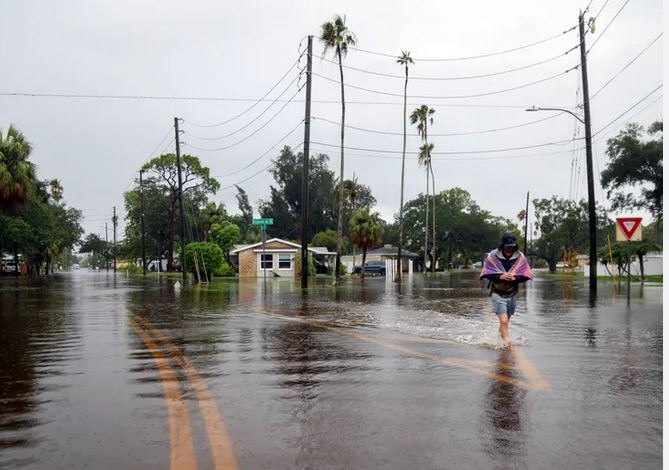
Tropical Storm Melissa is slowly moving through the Caribbean Sea, currently about 300 miles southeast of Kingston, Jamaica. With sustained winds of 50 mph and a sluggish forward speed of 2 mph, the storm poses a growing threat of life-threatening flooding and mudslides in the region.
Heavy Rainfall Expected in Hispaniola
Parts of Haiti and the Dominican Republic could see up to a foot of rain through the weekend. The combination of torrential rainfall and mountainous terrain could trigger catastrophic flash floods and landslides. Jamaica is also expected to experience intense rainfall, particularly as Melissa strengthens.
Storm Strength Could Increase Rapidly
Melissa is traveling over extremely warm waters, giving it the potential to intensify quickly. Forecasters expect it to reach hurricane status by Saturday morning, making it the fifth hurricane of the 2025 Atlantic season and the first to form in the Caribbean. By Monday, Melissa could become a Category 4 major hurricane if conditions align.
Two Main Scenarios for Melissa’s Path
- West-Southwest Path: If the storm continues slowly west of Jamaica, it could draw more energy from warm waters and strengthen significantly before turning northeast, impacting Cuba and other Caribbean islands.
- Northward Turn: A shift north toward Jamaica or Haiti could result in direct landfall, concentrating heavy rain and winds over the islands, though it may limit the storm’s overall intensification.
Impact on the United States
While a direct hit on the U.S. mainland is unlikely, rough surf and dangerous rip currents along the East Coast are possible. Florida could be affected if Melissa turns north later than expected. Cuba and parts of the Bahamas may also experience wind and rainfall impacts.
Why Slow-Moving Storms Are Dangerous
Melissa’s slow pace means the same areas could experience days of torrential rain and strong winds, increasing the risk of flooding, mudslides, and power outages. Experts note that rapid intensification events like Melissa are becoming more frequent due to warmer oceans and climate change.

Stay Alert and Prepared
Forecasters emphasize that the exact track and strength of Melissa remain uncertain, but the storm serves as a reminder that the Atlantic hurricane season is not over. Residents in Haiti, the Dominican Republic, Jamaica, and neighboring islands should monitor updates and take safety precautions.

