


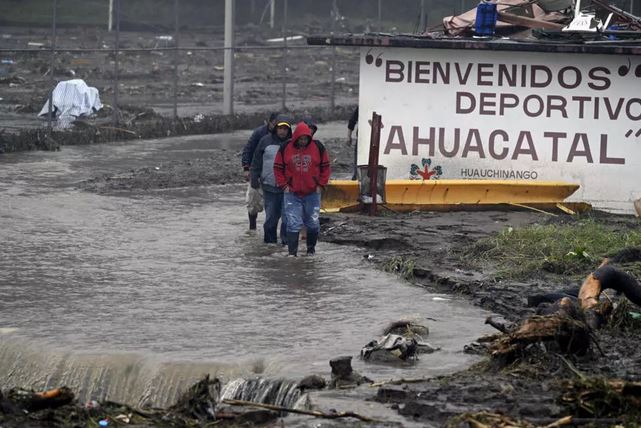
At least 64 people have lost their lives and 65 remain missing after torrential rains battered Mexico last week, triggering massive landslides and severe flooding across the Gulf coast and central regions.
According to Reuters, the government confirmed that the heavy downpours struck at the end of the rainy season, when the soil was already saturated, rivers were overflowing, and meteorologists were primarily focused on monitoring Pacific storms and two hurricanes.
President Sheinbaum: “Such heavy rainfall was not expected”
Mexican President Claudia Sheinbaum told reporters that the extent of the rainfall had not been anticipated. She revealed that around 100,000 homes suffered damage due to the floods.
The president announced that she would meet with the Ministry of Finance to finalize recovery and relief measures, and later visit the worst-affected states to oversee operations firsthand.
Hidalgo and Veracruz Worst Affected
National Civil Defense Chief Laura Velázquez reported that the states of Hidalgo and Veracruz were among the hardest hit.
- Veracruz: 29 deaths, 18 missing
- Hidalgo: 21 deaths, 43 missing
The floods also destroyed key infrastructure, including bridges and major roads, leaving many areas buried under thick mud and debris.

Rescue Efforts and Restoration Underway
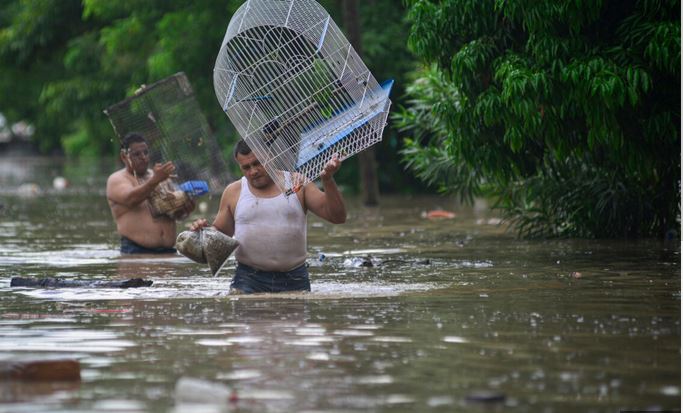
Images and videos circulating on social media show rescue teams evacuating stranded residents, distributing relief supplies, and clearing blocked routes.
Authorities have deployed thousands of workers to assist with evacuation, cleanup, and continuous monitoring in the affected regions.
Officials confirmed that electricity has been restored in most areas after widespread power outages across five states.
Health Concerns Rise Amid Standing Water
Health officials have warned of an increased risk of mosquito-borne diseases, including dengue fever, due to stagnant water left behind by the floods. Preventive measures and health monitoring teams have been activated to control potential outbreaks.

