


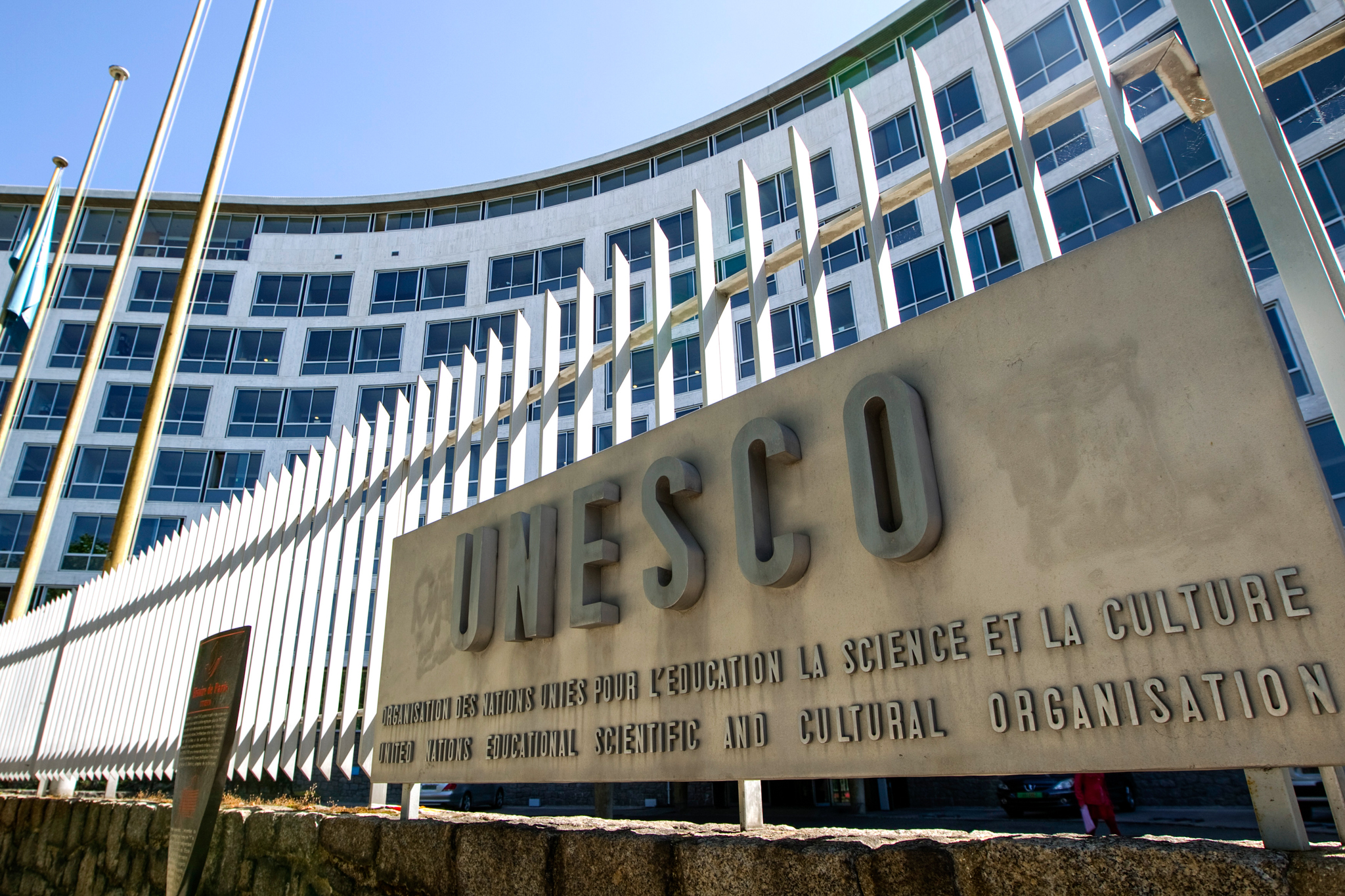
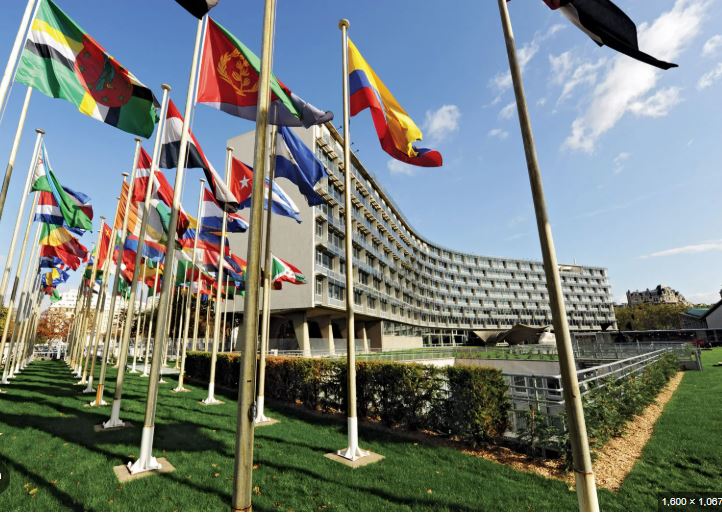
U.S. President Donald Trump has once again ordered the withdrawal of the United States from UNESCO, the United Nations’ cultural and education agency—repeating a move from his first term that had been reversed by President Joe Biden. The decision will officially take effect on December 31, 2026.
The Paris-based agency, established in 1945 to promote global peace through cooperation in education, science, and culture, has been criticized by Trump’s administration for supporting what it calls “woke and divisive” cultural policies.
“President Trump has chosen to withdraw the U.S. from UNESCO, which backs progressive social causes that conflict with the common-sense policies Americans supported in the last election,” said White House spokeswoman Anna Kelly.
The U.S. State Department echoed this sentiment, asserting that the agency advances a “globalist, ideological agenda” inconsistent with the administration’s “America First” foreign policy.
UNESCO Director-General Audrey Azoulay expressed regret over the U.S. decision but noted that the agency had anticipated the move. She emphasized that UNESCO had diversified its funding sources and now receives only about 8% of its budget from the United States.
Statement by the Director-General of @UNESCO, @AAzoulay, following the decision of the United States to withdraw from the Organization.
— UNESCO 🏛️ #Education #Sciences #Culture 🇺🇳 (@UNESCO) July 22, 2025
Read more: https://t.co/yBRPkgmp3O pic.twitter.com/hqp0bqKqJy
Trump previously withdrew the U.S. from several global organizations during his first term, including the World Health Organization, the Paris Climate Agreement, and the UN Human Rights Council. Biden rejoined most of these bodies early in his presidency, also restoring U.S. membership in UNESCO and pledging to settle outstanding dues.

A core issue cited for the renewed withdrawal is UNESCO’s admission of Palestine as a full member state—a decision the U.S. has opposed for years, citing it as a driver of anti-Israel sentiment within the organization. Israel welcomed the U.S. withdrawal, while UNESCO officials defended their work, saying all relevant agency resolutions in recent years were reached with the cooperation of both Israeli and Palestinian representatives.
Director-General Azoulay argued that the political landscape has shifted since the last withdrawal, stating, “Tensions have eased, and UNESCO now serves as a rare space for global consensus and pragmatic multilateral action.” She also rejected U.S. criticisms, highlighting the agency’s commitment to Holocaust education and combating antisemitism.
Diplomats at UNESCO viewed the move as politically motivated, particularly since Biden had recently re-engaged with the agency and committed to repaying financial arrears from the previous U.S. exit.
UNESCO, short for the United Nations Educational, Scientific and Cultural Organization, is widely known for its designation of World Heritage Sites, such as the Grand Canyon and Syria’s Palmyra. The United States has had a complicated history with the organization, having first withdrawn in 1984 due to alleged mismanagement and perceived anti-American bias, before rejoining in 2003 under President George W. Bush.

