


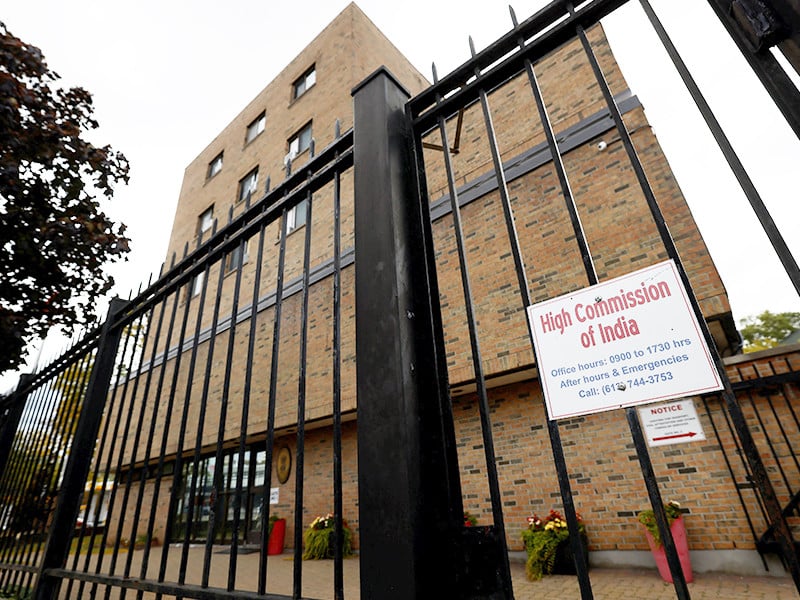
India and Canada have each expelled the other’s ambassador, along with five additional top diplomats, following escalating tensions over the 2023 murder of Sikh separatist leader Hardeep Singh Nijjar. New Delhi announced it was withdrawing its six diplomats from Canada, though Canadian sources told AFP the diplomats were actually expelled.
Relations between the two countries soured after Canadian Prime Minister Justin Trudeau stated there were “credible allegations” linking Indian intelligence services to Nijjar’s murder. Nijjar, a Canadian citizen and advocate for an independent Sikh state, Khalistan, had been wanted by Indian authorities for alleged terrorism and conspiracy to commit murder. He was killed in the parking lot of a Sikh temple in Vancouver in June 2023.
The expulsion of the most senior diplomats on both sides marks a significant escalation in the diplomatic rift. India expelled Canada’s acting High Commissioner, Stewart Wheeler, along with his deputy and four first secretaries, ordering them to leave by midnight on Sunday. In response, Ottawa took similar action, with Canadian police stating they had evidence implicating Indian government agents in serious criminal activities within Canada.
New Delhi also confirmed that it had received diplomatic communication from Canada indicating that its High Commissioner, Sanjay Kumar Verma, and other diplomats were “persons of interest” in the ongoing investigation. India dismissed the accusations as “ludicrous,” defending Verma as a respected career diplomat who previously served as ambassador to Japan and Sudan.
India’s foreign ministry announced that it had instructed its High Commissioner, Sanjay Kumar Verma, to return home, citing a lack of trust in the Canadian government’s commitment to ensuring the safety of Indian diplomats. The ministry called allegations linking India to the killing of Sikh separatist leader Hardeep Singh Nijjar “preposterous” and a “strategy of smearing India for political gains.”
India had previously imposed restrictions on visas for Canadians and forced Ottawa to withdraw diplomats. On Monday, New Delhi hinted at the possibility of further retaliatory measures, stating, “India reserves the right to take further steps in response to the Trudeau Government’s support for extremism, violence, and separatism against India.”

Following the summoning of Canadian envoy Stewart Wheeler, he claimed that Ottawa had provided India with the evidence it had requested. “Canada has provided credible, irrefutable evidence of ties between agents of the Government of India and the murder of a Canadian citizen on Canadian soil,” Wheeler told reporters after leaving the Indian foreign ministry. He urged India to investigate the allegations, emphasizing that it was in the best interest of both nations.
India responded by expelling Wheeler.
Canada is home to around 770,000 Sikhs, representing about two percent of its population, with a vocal minority advocating for an independent Khalistan state. In a related development, the U.S. Justice Department charged an Indian citizen living in the Czech Republic with plotting a similar assassination on U.S. soil in November 2023. Prosecutors revealed that an Indian government official was allegedly involved in planning that attempt.

