



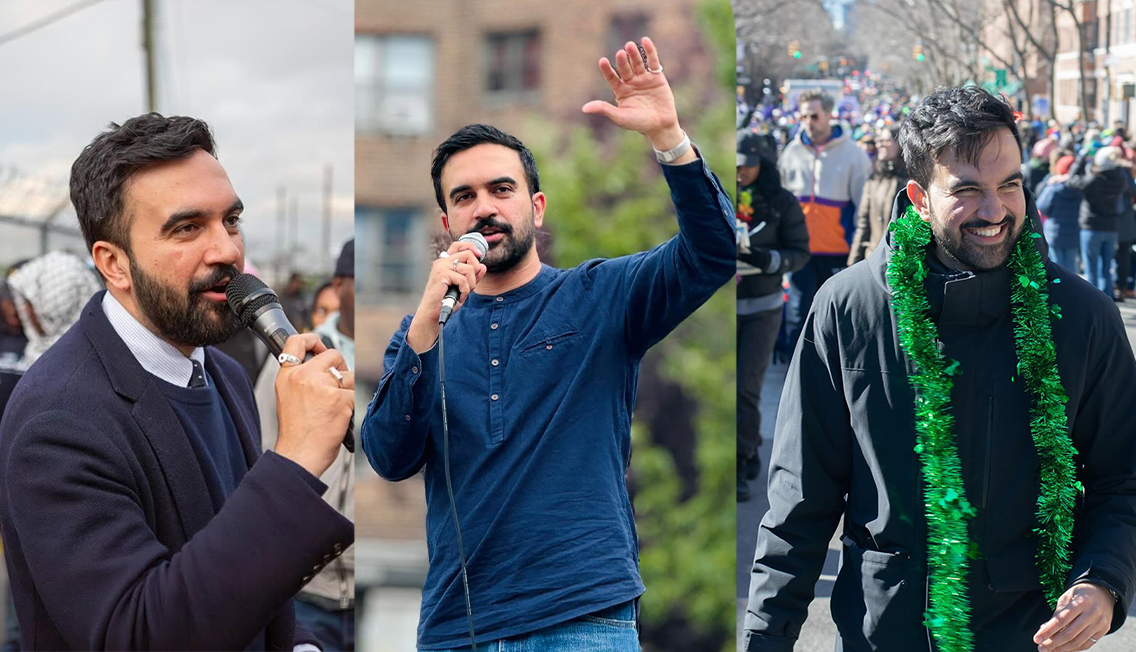
In a political climate increasingly shaped by authenticity, grassroots engagement, and cultural complexity, Zohran Mamdani has emerged as one of the most compelling voices among the South Asian diaspora in the United States. Born in Kampala, Uganda in 1991 and raised in New York City, Mamdani’s life reflects global intersections and local action. His father, Dr. Mahmood Mamdani, is a world-renowned academic, and his mother, Mira Nair, is a celebrated filmmaker whose work spans continents and themes of identity and migration. This unique lineage, blending African, Indian, and American influences, has given Zohran a rare worldview one that fuses intellectual depth with a commitment to social justice.
Despite being born into an illustrious family, Zohran Mamdani’s path was never one of privilege or detachment. From his early years, he was drawn not to comfort but to struggle not as an observer, but as a participant. He was raised in Manhattan and educated at Bowdoin College in Maine, where he studied economics and sociology. Instead of entering the corporate world like many of his peers, Mamdani returned to New York City to work as a foreclosure prevention counsellor in Queens. There, he helped working-class families, many of them immigrants, understand and survive the bureaucracy of the American housing system. His early career was defined by empathy, hands-on service, and a clear-eyed view of how poverty, displacement, and systemic neglect shape urban life.
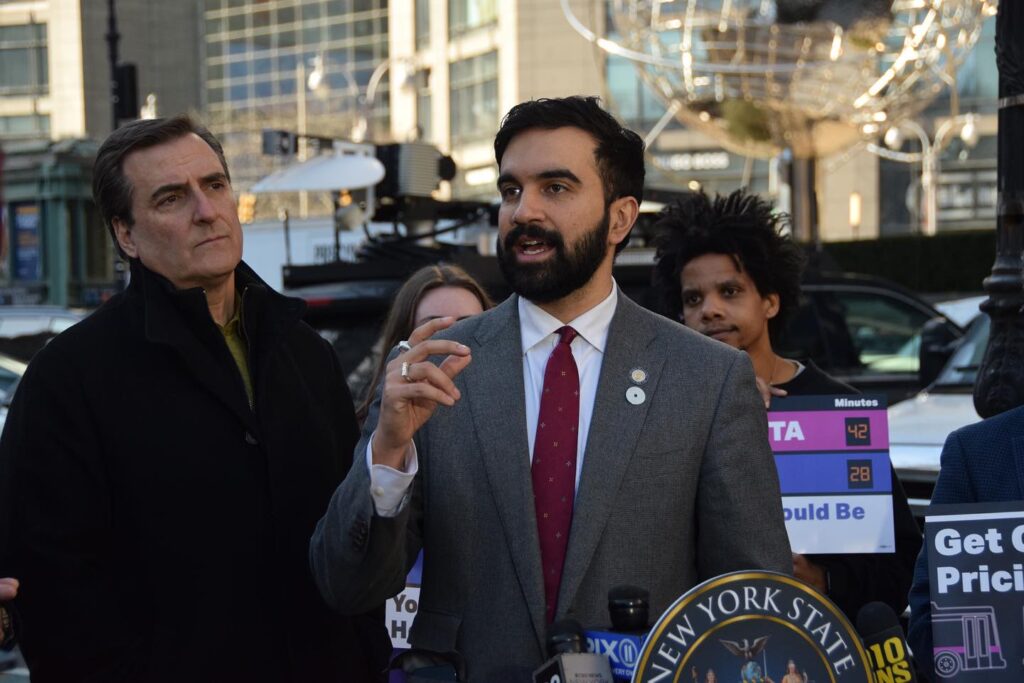
It was this foundation that led him into politics not as an insider, but as a reformer. In 2020, Zohran Mamdani made headlines when he contested the New York State Assembly elections from District 36, representing Astoria in Queens. With no ties to establishment power and running on a progressive platform that included affordable housing, police reform, healthcare for all, and climate justice, Mamdani built a grassroots campaign powered by volunteers, working-class voices, and door-to-door activism. Against all odds, he defeated a 10-year incumbent, becoming not only the first South Asian Muslim elected to the New York State Legislature but also one of the few openly socialist legislators in the United States. His victory was not just symbolic it marked a shift in how diaspora communities are asserting political agency at the local and state levels.
Since entering office, Mamdani has remained fiercely committed to his ideals. He has co-sponsored legislation aimed at taxing the ultra-wealthy, expanding tenant protections, and increasing funding for public housing. In Albany, he has emerged as a leading voice for marginalized communities, often standing in principled opposition to corporate interests and policy inertia. But beyond policy, his presence in the legislature is significant representing a young, politically conscious generation of Pakistani and South Asian Americans who are redefining what it means to be engaged citizens.
What sets Zohran Mamdani apart is his clarity of purpose and the authenticity with which he communicates. He speaks with the moral conviction of someone shaped by both struggle and scholarship. His political journey is grounded in everyday realities housing insecurity, racism, wage inequality and his responses are rooted in community-based solutions rather than ideological abstractions. He does not posture or perform; he listens, organizes, and leads with the belief that government should work for those it too often ignores.
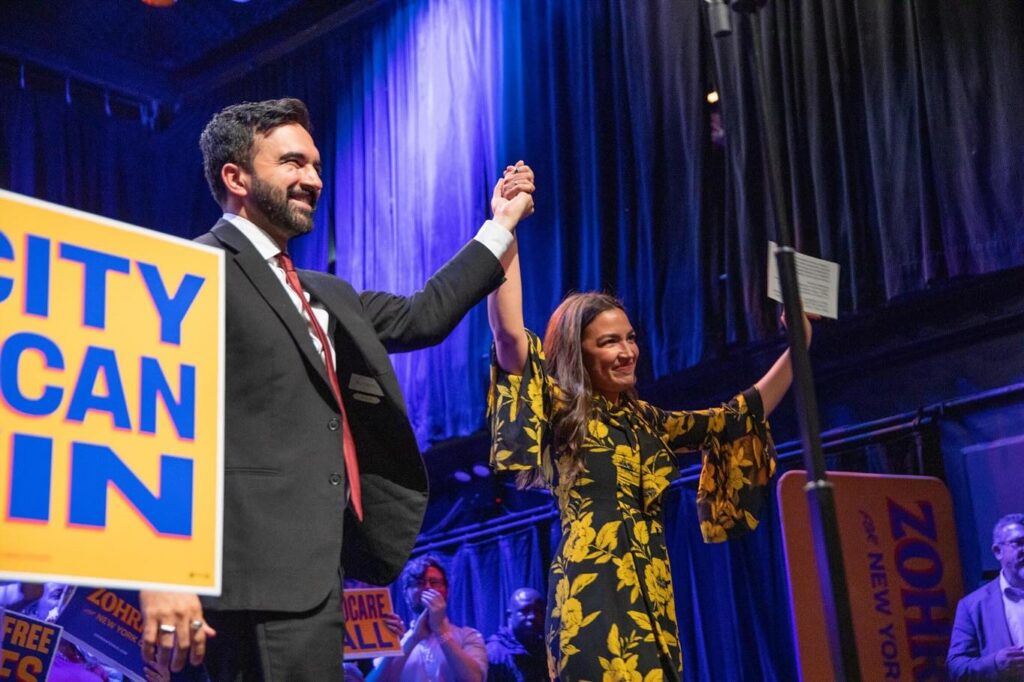
His success is also a source of pride for the global Pakistani diaspora. While his lineage includes Ugandan and Indian roots, Zohran’s identification with South Asian and Muslim immigrant communities resonates powerfully, particularly among younger generations of Pakistani Americans who see in him a reflection of their own hybrid identities and political hopes. In a time when diaspora figures are increasingly influencing international diplomacy and transnational dialogue, Mamdani represents a new dimension: one where diaspora leadership is about rebuilding democracy from the bottom up.

As his profile rises in New York City’s political landscape, many see him as a credible future candidate for city-wide office, possibly even the mayoralty. In a city shaped by immigration, activism, and bold leadership, Mamdani’s background and values place him in a unique position to bridge divides and lead with both vision and compassion. His work offers a roadmap for how members of the Pakistani diaspora can move beyond philanthropy and advocacy and step directly into the decision-making structures of their adopted homelands.
Zohran Mamdani’s story is not merely a tale of individual success it is a signal of transformation. It reminds us that the children of immigrants, shaped by global legacies and local struggles, are not only part of the future they are already leading it. In his voice, there is not just the echo of past generations, but the resonance of a new kind of politics one that is inclusive, courageous, and driven by justice.

