


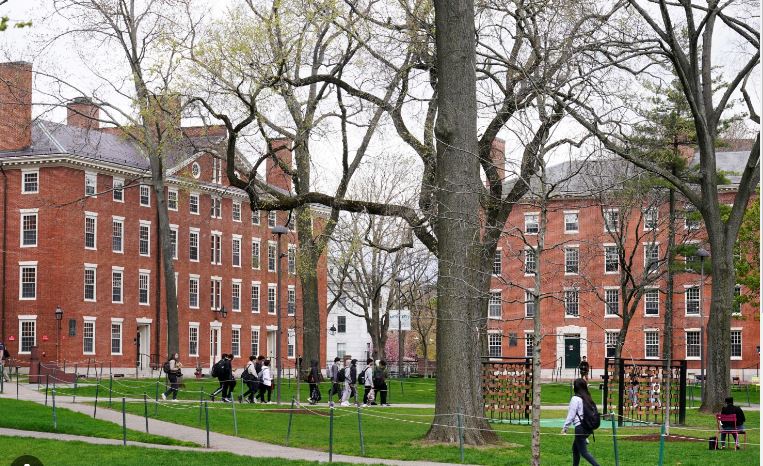
The Trump administration has revoked Harvard University’s authorization to enroll international students, a move announced by Homeland Security Secretary Kristi Noem. She claimed Harvard was being held accountable for allegedly promoting violence and antisemitism on campus, as well as for maintaining links with the Chinese Communist Party. Noem stated that enrolling international students is a privilege, not a right, and accused the university of failing to act despite multiple opportunities.
In a formal letter to Harvard’s leadership, the Department of Homeland Security said it had officially withdrawn the university’s certification under the Student Exchange Visitor Program. This program is essential for institutions to host foreign students on certain types of visas. As a result, Harvard can no longer admit new international students, and those currently enrolled must transfer to another certified institution to maintain their visa status.
Harvard issued a strong response, calling the administration’s action both unlawful and retaliatory. The university emphasized its longstanding commitment to hosting students and scholars from more than 140 countries, asserting that these individuals greatly enrich both the institution and the broader U.S. society.

This development comes amid a broader conflict between Harvard and the federal government. The university has refused to meet several federal demands related to changes in its diversity policies and its handling of student-led demonstrations in support of Palestine. In response, the administration has imposed multiple rounds of financial penalties, cutting off more than $2.6 billion in grants and federal support, with the latest reduction occurring earlier this week.
Harvard President Alan Garber has urged alumni to step up and support the university in this time of crisis. In an email, he described the current situation as one of the most difficult periods in the school’s long history and announced the creation of two new funds: the Presidential Priorities Fund and the Presidential Fund for Research. These are intended to help fill the financial gaps caused by the federal funding cuts.
Legal experts argue that the government’s decision may not hold up in court. Immigration attorney Leon Fresco said the revocation would be a serious setback for Harvard, both financially and administratively. He pointed out that under existing regulations, such actions require prior notice and must be based on actual violations of program rules—not political ideology. According to Fresco, the administration’s justification does not align with these legal requirements, giving Harvard a strong basis to challenge the decision.

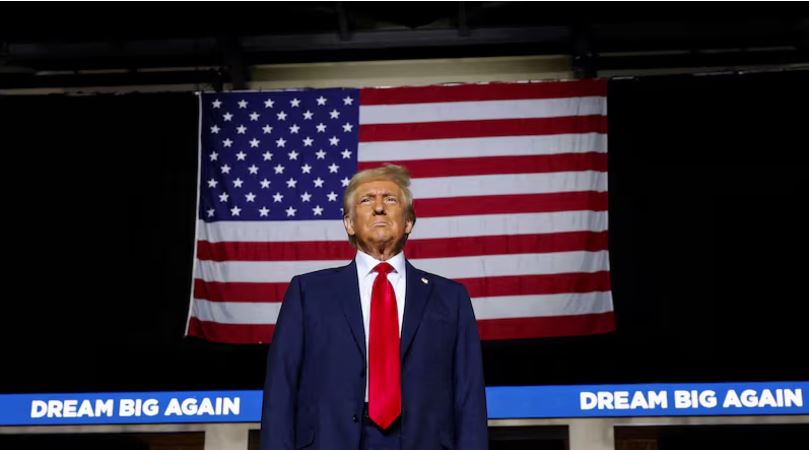
Back in April, Noem had already warned Harvard that its certification could be in jeopardy. She demanded detailed documentation about the conduct of foreign students on campus, referencing a federal law that requires transparency about enrollment, academic records, and disciplinary actions. The university reportedly submitted the requested information, though it has not publicly disclosed what it shared.
This action is part of a broader campaign by the administration to clamp down on what it claims is rising antisemitism and extremism on U.S. campuses, particularly in response to pro-Palestinian protests. Critics argue that the administration is using these claims to justify political interference in academic institutions. The crackdown has extended to other universities as well, including Columbia, and has involved scrutiny of hiring practices and curriculum content. The president has also accused universities of promoting anti-government sentiment.
As of last year, over 7,400 schools were approved for the Student Exchange Visitor Program across the United States. The federal government reserves the right to audit or revoke certification at any time, although such actions have typically been grounded in procedural or compliance issues rather than political concerns.
This unprecedented move against Harvard one of the most prestigious universities in the world—raises serious questions about the boundaries between national policy, academic freedom, and the rights of educational institutions to operate independently.

